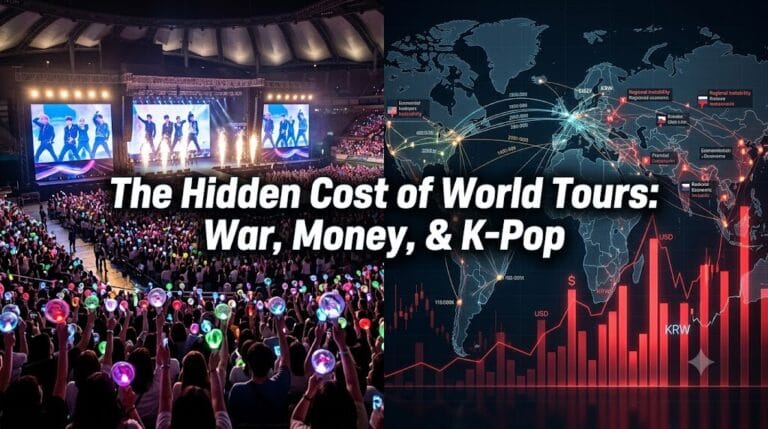
The glittering world of global entertainment and K-pop has long been associated with grueling schedules, endless dance practices, and a culture that normalizes severe sleep deprivation. For decades, the industry operated on the sheer willpower of its artists, pushing young performers to their physical and mental limits to achieve perfection on stage. However, behind the flashing lights and flawlessly synchronized choreography, a silent revolution is taking place. The traditional “push through the pain” mentality is rapidly being replaced by a highly sophisticated, data-driven approach. Modern entertainment agencies are no longer just talent incubators; they are actively transforming into high-tech sports science laboratories.
Today, the line between an elite Olympic athlete and a top-tier pop idol is blurring, thanks to the deep integration of biorhythm tracking and data management. Armed with unobtrusive wearable technology like smart rings and advanced sleep trackers, agencies are now quantifying their artists’ mental and physical conditions in real-time. This evolution isn’t just about making sure a singer gets enough rest; it is about extending careers, preventing psychological burnout, and optimizing peak performance on massive global arena tours. By digitizing the human body’s most intricate biological signals, the entertainment industry is finally learning how to protect its most valuable human assets through the lens of objective science.
The Grueling Reality of a Global Performer’s Schedule
To understand why data management has become so critical, one must first understand the immense physical toll of being a top-tier performer. The schedule of a popular idol during a “comeback” or a world tour is notoriously unforgiving.
The Hidden Cost of the Limelight
Idols frequently operate on two to three hours of sleep per night, bouncing between music show recordings, fan sign events, commercial shoots, and late-night vocal practices. During a world tour, artists are subjected to constant time zone changes, leading to chronic jet lag and circadian rhythm disruption. This lifestyle drastically increases the risk of vocal cord nodules, joint injuries, and severe immune system suppression. For years, these physical ailments were viewed merely as occupational hazards—the unavoidable price of fame.
Why the Traditional Management Model Failed
In the past, artist management relied entirely on subjective feedback. Managers would simply ask an artist, “How are you feeling?” Often, driven by ambition or fear of disappointing fans, artists would mask their exhaustion, leading to sudden collapses on stage or abrupt hiatuses due to injury. The subjective reporting model failed because it relied on human emotion and industry pressure, ignoring the physiological reality of the human body breaking down.
Enter Sports Science: A Paradigm Shift in Entertainment
The realization that idols are essentially high-performing athletes executing high-intensity aerobic workouts while singing live has prompted a massive shift in how agencies operate. They are now turning to sports science to build sustainable careers.
Borrowing Playbooks from Elite Athletes
For decades, professional sports teams in the NBA, English Premier League, and NFL have utilized biometric tracking to prevent player injuries. Entertainment companies are now hiring sports scientists, physiologists, and data analysts to apply these exact same methodologies to performers. By treating a three-hour stadium concert like a professional marathon, agencies can implement strategic tapering, active recovery days, and targeted nutritional plans.
Biorhythms and Performance Correlation
A performer’s biorhythm—the natural cycle of their physical, emotional, and intellectual states—plays a massive role in their stage presence. When an artist’s circadian rhythm is aligned with their performance time, their reaction speed, vocal elasticity, and memory recall are at their peak. Sports science allows agencies to map these biorhythms over months, predicting when an artist will hit a natural energy slump and scheduling lighter promotional days to counteract the dip.
Smart Rings and Wearables: The Frontline of Idol Care
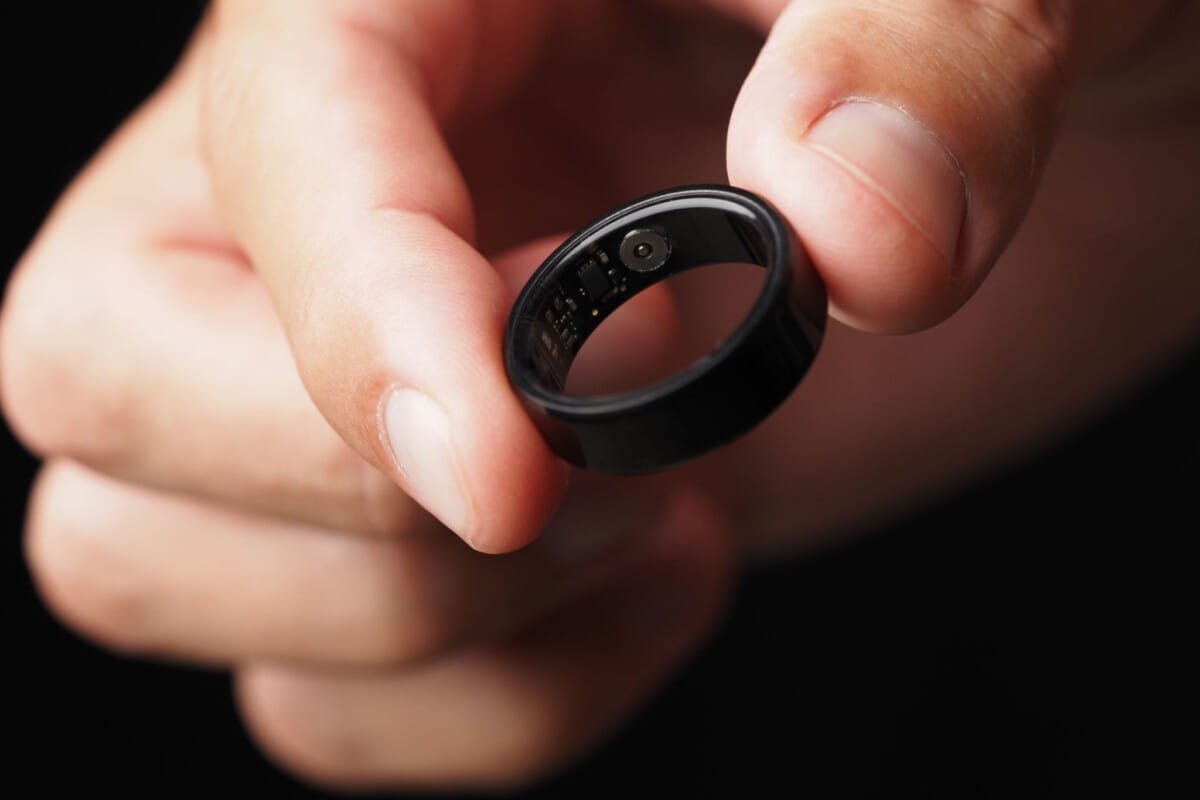
The cornerstone of this new sports science approach is the widespread adoption of wearable technology, most notably smart rings. Unlike bulky smartwatches that can interfere with stage costumes or choreography, smart rings are discreet, lightweight, and can be worn 24/7.
Tracking Sleep Architecture and Recovery
Quality of sleep is far more important than mere duration. Smart rings track an idol’s exact sleep architecture, breaking down the night into Light Sleep, Deep Sleep (vital for physical muscle recovery), and REM Sleep (essential for cognitive function, memory, and emotional regulation). If data shows an idol is consistently missing out on Deep Sleep due to late-night travel, management can intervene by adjusting flight schedules or implementing specialized sleep hygiene protocols in their hotel rooms, such as temperature control and blackout therapies.
Heart Rate Variability (HRV) as a Stress Indicator
Perhaps the most crucial metric monitored by these wearables is Heart Rate Variability (HRV)—the variation in time between consecutive heartbeats. A high HRV indicates a body that is relaxed, resilient, and ready to perform. A suddenly dropping HRV is a glaring red flag for systemic stress, overtraining, or impending illness. By monitoring daily HRV trends, agencies have a quantifiable early warning system. If an artist’s HRV plummets, management can preemptively cancel a minor schedule to let the autonomic nervous system recover, ultimately saving the artist from a major physical breakdown.
Data Management: Turning Biometrics into Actionable Insights
Collecting data is only the first step; the true magic happens in how entertainment agencies manage and interpret this wealth of information.
Customizing Tour Schedules Based on Biorhythms
Historically, world tours were booked strictly based on venue availability and logistical cost-efficiency, bouncing artists rapidly across continents. Today, tour routing is increasingly being optimized alongside biometric algorithms. Data management platforms can forecast jet lag recovery times based on an idol’s historical sleep data. This allows tour managers to scientifically determine exactly how many rest days are required between a concert in Seoul and a follow-up show in New York, drastically reducing the physical friction of global travel.
Preventing Burnout Before It Happens
The concept of “load management” is now fully integrated into K-pop. By creating a centralized database for each artist, agencies can track the cumulative physical load of dance practices. Accelerometers inside wearables measure the exact g-force and impact on an idol’s knees and ankles during rehearsal. If the daily physical load exceeds a safe threshold, choreographers are instructed to switch to “mark-out” rehearsals (practicing the routine without full physical exertion) to prevent stress fractures and ligament tears.
The Intersection of Mental Health and Quantifiable Data
The mental health crisis within the entertainment industry has been well-documented, but historically, it has been the hardest aspect to manage due to its invisible nature. Biometric data is changing this narrative entirely.
Identifying the Unseen: Anxiety and Autonomic Nervous System
Mental stress manifests physically. Long before an artist experiences a full-blown panic attack or clinical depressive episode, their biometric data will often tell a story of an autonomic nervous system stuck in “fight or flight” mode. Consistently elevated resting heart rates, fragmented REM sleep, and chronically low HRV are all physical symptoms of psychological distress. Data management allows company therapists and psychologists to reach out to an artist proactively, offering counseling and mental health days based on objective data rather than waiting for the artist to reach a breaking point.
Creating a Safe Space for Artists Through Objective Data
One of the greatest psychological benefits of this sports science approach is that it removes the guilt artists feel when asking for a break. In a highly competitive industry, idols often fear looking “lazy” or “weak” if they complain about being tired. However, when a dashboard mathematically proves that an artist’s body is physically compromised and their sleep debt is critical, the decision to rest becomes a clinical, objective medical directive rather than a personal failure. Data provides an undeniable shield that protects the artist from both agency pressure and their own perfectionism.
The Future of the Industry: Cyborgs or Healthier Humans?
As this technology becomes more ingrained in the DNA of artist management, the industry is looking toward a future where data entirely dictates the rhythm of entertainment.
Privacy Concerns vs. Performance Optimization
The reliance on deep biometric tracking does raise significant ethical questions regarding privacy. Monitoring an individual’s heartbeat, sleep cycles, and stress levels 24/7 grants an employer unprecedented access to their most intimate biological data. Entertainment agencies must establish incredibly strict data governance policies, ensuring that this biometric information is used strictly for the artist’s health and recovery, and never weaponized during contract negotiations or used to penalize an idol for having a naturally lower physical baseline.
Setting a New Global Standard for Performers
Ultimately, the integration of biorhythm and data management represents a massive leap forward in humanizing the entertainment industry. The K-pop industry, often criticized for its harsh training regimens, is ironically now at the forefront of pioneering advanced health care for stage performers. As these sports science protocols become standard practice, they will likely ripple out to Western pop stars, Broadway performers, and touring musicians worldwide, ensuring that the people who entertain us are no longer sacrificing their own well-being to do so.
Writer’s Opinion
Honestly, when I first heard about idols wearing smart rings to track their sleep, I thought it was just another dystopian micromanaging tactic by the agencies. But looking at the sheer volume of data and how it actually prevents major injuries… I mean, isn’t it kind of amazing that we can literally quantify stress before a panic attack even happens? It makes you wonder, though—where do we draw the line between genuinely caring for an artist and treating them like a highly tuned biological machine? Still, if this sports science approach means fewer idols suffering in silence and breaking down mid-tour, maybe it’s exactly the kind of “data-driven empathy” the industry has been desperately missing all along.