For decades, the glittering, highly polished world of K-pop and the deeply devoted communities of “subcultures”—such as anime, manga, and video games—existed in parallel, rarely intersecting in the mainstream. K-pop relied heavily on the physical perfection, intense choreography, and real-world presence of human idols, while subcultures thrived on 2D narratives, digital avatars, and imaginative fantasy realms. However, the rapidly evolving digital landscape, combined with shifting consumer behaviors, has begun to blur these once-rigid boundaries, creating a fascinating new cultural crossover that is taking the entertainment world by storm.
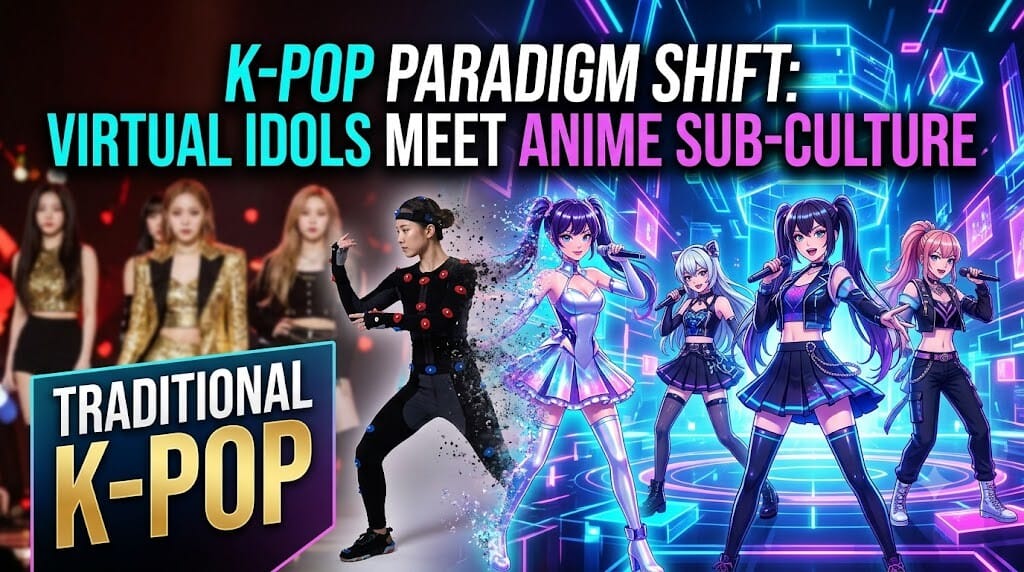
The ultimate catalyst for this unprecedented convergence is the explosive rise of virtual idols, with groups like PLAVE leading the charge. What initially seemed like a niche experiment or a temporary technological gimmick has transformed into a massive paradigm shift within the South Korean music industry. By seamlessly blending the engaging, high-energy music and fandom mechanics of traditional K-pop with the visual aesthetics and limitless creative potential of subculture avatars, virtual idols are completely redefining what it means to be a global music star in the modern digital age.
The Intersection of Subculture and K-Pop
To understand the success of virtual idols, one must first look at how the walls between K-pop fans and subculture enthusiasts have gradually crumbled.
Breaking the Niche Barrier
In the past, the “otaku” culture (passionate fans of anime and gaming) and K-pop fandoms were treated as completely distinct demographics. However, modern entertainment has become incredibly cross-pollinated. Gamers now listen to K-pop groups like NewJeans or K/DA (League of Legends’ virtual pop group), while K-pop fans enthusiastically consume webtoons and anime. Entertainment agencies realized there was a massive, untapped demographic of consumers who appreciate both the catchy music of idol culture and the stylized, fantastical visuals of anime.
Shared Fandom Mechanics
At their core, K-pop and subcultures share remarkably similar fandom mechanics. Both rely heavily on deep “lore” (universe building), strong character archetypes, and intense parasocial relationships between the fan and the character/idol. Virtual K-pop groups effortlessly merge these two worlds, offering the musical releases and merchandise (photocards, lightsticks) of an idol group alongside the visual appeal of a webtoon protagonist.
The Rise of Virtual Idols: The PLAVE Phenomenon
While earlier attempts at virtual singers (like Hatsune Miku) or AI-generated idols existed, they often lacked the spontaneous, human connection required to survive in the highly competitive K-pop market. This is where PLAVE changed the game.
The Power of Motion Capture and Real-Time Interaction
Unlike fully AI-generated entities, PLAVE consists of real, human artists behind the digital avatars. Using state-of-the-art motion capture technology, every dance move, facial expression, and spontaneous laugh is translated into their 3D models in real time. This crucial difference bridges the “uncanny valley.” Fans are not stanning a computer program; they are supporting talented singers, dancers, and producers who happen to interact with the world through a meticulously designed digital filter.
Embracing “Glitches” as Human Authenticity
Ironically, it is the technological imperfections that have made PLAVE so relatable. When a tracking error causes an avatar’s arm to twist unnaturally during a live stream, the members react with genuine panic and humor. These “glitches” shatter the illusion just enough to remind fans of the endearing, hardworking humans behind the screens. This authentic humor and vulnerability are what ultimately converted traditional K-pop fans into dedicated virtual idol supporters.
How Virtual Idols are Changing the K-Pop Paradigm
The success of virtual idols is not just a passing trend; it is actively rewriting the rules of how idol groups are managed, marketed, and consumed.
Redefining Idol Privacy and Mental Health
The traditional K-pop industry is notoriously grueling, placing immense pressure on human idols to maintain absolute physical perfection and flawless personal lives. Virtual idols offer a groundbreaking solution to this issue. The human performers behind the avatars are granted complete anonymity and privacy. They can go to the grocery store, date, or simply live normal lives without being chased by paparazzi, vastly reducing the mental health struggles and burnout that plague the industry.
Expanding Creative and Visual Boundaries
With virtual idols, the physical limitations of the real world no longer apply. A music video can effortlessly transition from a realistic Seoul cityscape into a magical fantasy realm without the need for multi-million-dollar CGI budgets in post-production. Concerts can feature members flying across the stage, instantly changing outfits, or manipulating the environment. This gives agencies unparalleled creative freedom to execute complex lore and storytelling that traditional groups could only dream of.
The Future of the Industry: Is Virtual the New Reality?
The massive commercial success of PLAVE—topping charts, selling out physical merchandise, and winning first place on traditional K-pop music broadcasts—proves that the stigma surrounding virtual idols has vanished. They have successfully proven that an artist’s talent, personality, and music matter far more than their physical presence.
As virtual reality, augmented reality, and motion capture technologies become even more advanced, the intersection of subculture and K-pop will only deepen. While human idols will always remain the cornerstone of the industry, virtual groups have carved out a permanent, lucrative, and wildly innovative space in the market. The paradigm has officially shifted: the future of K-pop is no longer strictly bound by physical reality.