
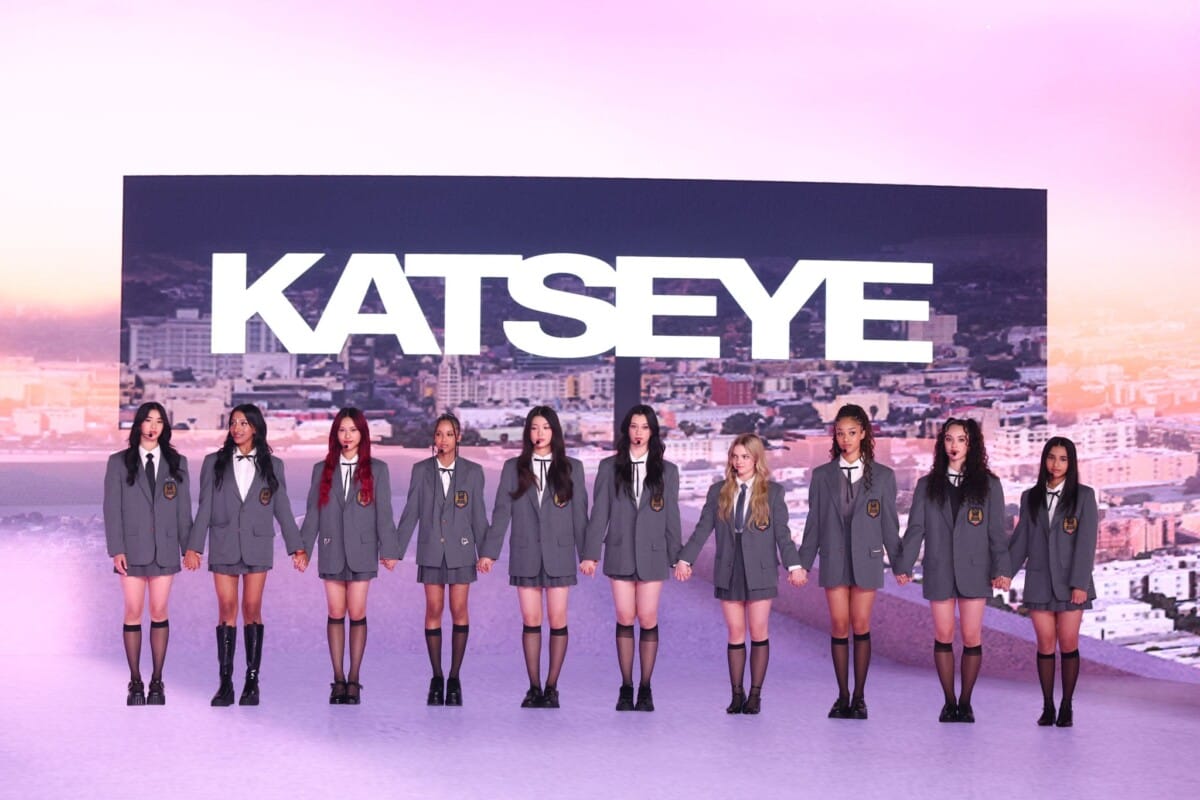
The K-pop industry is witnessing a fascinating evolution. It’s no longer just about exporting music; it’s about exporting the system itself. The rise of localized K-pop groups like KATSEYE and VCHA represents a bold new chapter. These groups, formed through collaborations between Korean entertainment powerhouses and major US labels, are testing a compelling hypothesis: Can the rigorous K-pop training and production model succeed when applied to diverse, international talent in the global music market?
This isn’t merely a trend; it’s a strategic expansion aimed at securing K-pop’s long-term dominance. By creating groups that reflect the diversity of their target markets while retaining the polished aesthetics and performance standards of K-pop, the industry is betting on a hybrid model that could redefine global pop music.
The Core Concept: Exporting the System
The phenomenon of localized K-pop groups hinges on a crucial shift in strategy. Instead of debuting Korean artists and hoping they resonate globally, companies are taking the highly structured K-pop methodology and applying it locally.
Rigorous Training Meets Diverse Talent
The cornerstone of this model is the fusion of the intense K-pop training system—encompassing vocal coaching, dance training, media training, and even language instruction—with diverse, international talent. The goal is to produce artists who possess the flawless performance skills expected of K-pop idols but who also naturally connect with global audiences on cultural and linguistic levels.
Strategic Partnerships for Market Penetration
To navigate the complexities of the global market, particularly the US, Korean agencies are forging strategic alliances. The formation of KATSEYE, a joint venture between HYBE and Geffen Records, and VCHA, a collaboration between JYP Entertainment and Republic Records, exemplify this approach. These partnerships combine the artist development expertise of Korean agencies with the distribution and promotional muscle of major US labels.

The Potential Impact on the Global Music Market
The success of localized K-pop groups could have profound implications for the global music industry.
Redefining the “Pop Group”
These groups are blurring the lines between K-pop and Western pop. They are creating a new category of “global pop groups” that transcend traditional geographical and cultural boundaries. This hybrid approach could challenge the dominance of established Western pop acts and introduce a new standard for group performance and aesthetics.
Expanding the Fanbase
By featuring members from diverse backgrounds, localized groups have the potential to attract fans who might not typically engage with traditional K-pop. They offer a sense of representation and relatability that can significantly broaden the fanbase and drive deeper engagement in key markets.
The Challenges Ahead
While the potential is significant, the path to global dominance is not without obstacles.
Cultural Translation and Authenticity
One of the major challenges is ensuring that the K-pop system translates effectively across different cultures. There is a delicate balance to strike between maintaining the core elements of K-pop and allowing the unique identities of the international members to shine through. The groups must feel authentic to their target audiences, not simply like manufactured replicas.
Market Acceptance
The ultimate test will be market acceptance. Will global audiences embrace these hybrid groups with the same fervor as they have traditional K-pop acts? The success of KATSEYE and VCHA will provide crucial insights into the viability of this localized model.
Writer’s Opinion
So, can they actually change the game? Honestly, the ambition is staggering. It’s not just about selling albums; it’s about reshaping how pop stars are manufactured globally. While the polished perfection of the K-pop system is undeniable, injecting it into the unpredictable landscape of the Western market is a massive gamble. Will audiences crave this level of curated perfection from artists who look and sound like them? We are basically watching a real-time experiment in musical globalization. If it works, the music industry will never look the same.