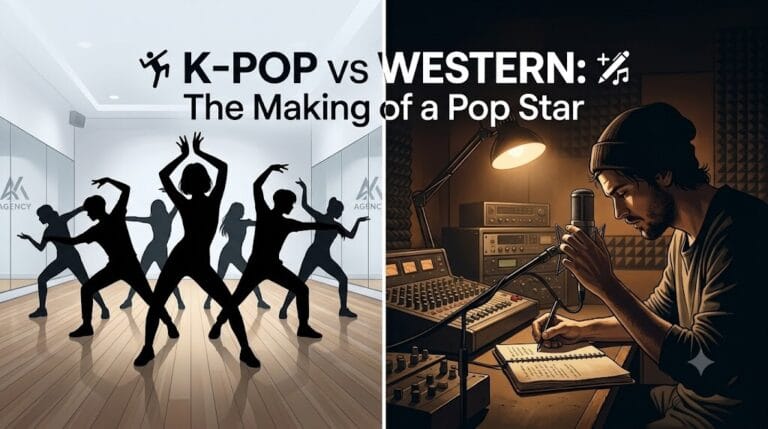
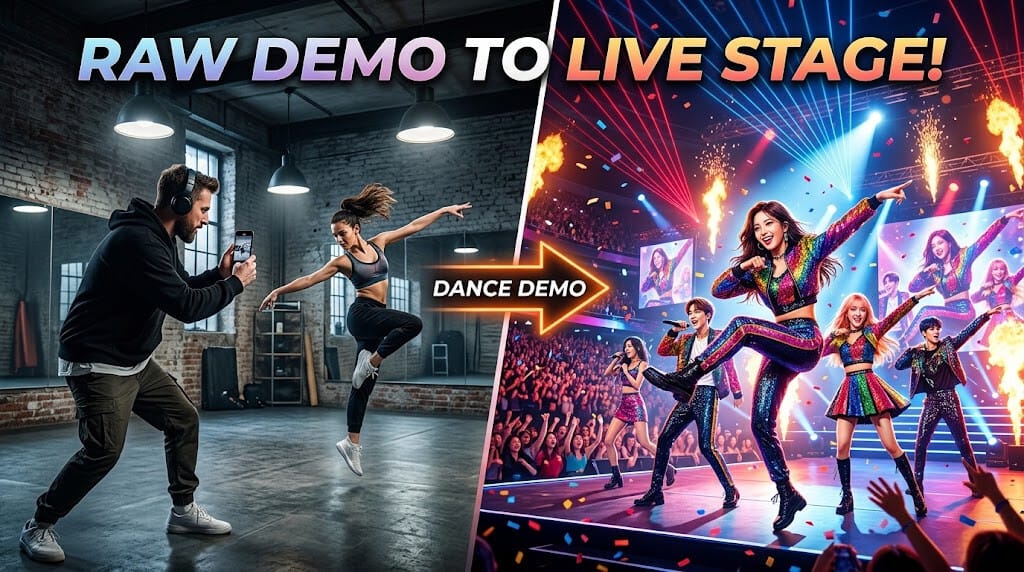
When you watch a K-pop idol group perform a new hit song, what you see on stage is an illusion of effortless perfection. From the razor-sharp synchronization to the dynamic, ever-changing formations that respond perfectly to the camera, the choreography feels as though it organically materialized alongside the music. But behind those three and a half minutes of viral stage presence is an intricate, highly structured architectural process. It requires the specialized touch of performance directors, global dance crews, and countless hours in practice rooms to refine a simple draft—known as a demo or “sian”—into a global sensation.
This complex pipeline is what separates standard pop dancing from K-pop performance art. However, as this art form reaches unprecedented levels of global influence and commercial success, a significant conversation is emerging behind the scenes. The brilliant choreographers who design the exact moves that spark viral TikTok trends and fill stadiums are fighting a difficult battle in the legal frontier of copyright protection. Understanding the journey from an initial dance demo to the final, spotlight-drenched stage reveals not only the magic of K-pop’s visual direction but also the pressing need to rethink how we value the ownership of movement.
The Creative Pipeline: From Demo Draft to Stage Reality
In K-pop, an idol group’s dance is rarely crafted by one person standing in a room with the artist. It is a highly competitive, multi-layered collaborative project managed by the agency’s in-house Performance Directing team.
Step 1: The Concept Brief and Call for Demos
Once a song is finalized, the entertainment agency’s A&R and performance departments construct a detailed brief. This brief outlines the overall vibe, the specific lyrical points that need “point choreography” (the iconic, memorable hook move), and the physical capabilities of the idol members. The agency will then reach out to various top-tier choreography teams across the globe—from Seoul to Los Angeles, Paris, and Tokyo—requesting a “sian,” which is a filmed video demo of a proposed dance routine.
Step 2: The Frankenstein Assembly by Performance Directors
A common misconception is that a K-pop agency picks one choreographer’s demo and perfectly copies it. While that occasionally happens, the reality is much more patchwork. An agency might receive five different demos from five different international studios. The in-house Performance Director will then act as an editor, taking the explosive intro from Demo A, the catchy chorus point dance from Demo B, and the fluid bridge movements from Demo C. The Performance Director weaves these completely separate pieces together, ensuring the transitions make sense and modifying the moves to highlight the specific visual strengths of each idol member.
Step 3: Camera Blocking and Final Polish
The final stage of the choreography process has very little to do with raw dancing and everything to do with broadcasting. Performance Directors meticulously map out “formations” based on which member is singing. Because K-pop relies heavily on fast-cutting music show camera work, the choreography must dictate where the camera goes. If the main vocalist has a high note, the dancers must part like the Red Sea to frame them perfectly in the center. This is where the draft officially transforms into a flawless, broadcast-ready K-pop performance.
The Legal Frontier: The Battle for Choreography Copyright
While producers, topliners, and lyricists automatically earn royalties every time a song is streamed or performed, the people who create the defining visual element of K-pop—the choreographers—often operate in a completely different financial reality.
Why Dance Copyright is Infamously Difficult to Protect
Unlike musical notes or written lyrics, human movement is notoriously hard to copyright. Under standard international copyright laws, generic dance steps, social dances, and simple routines cannot be owned. To qualify for copyright, choreography must be a complex, original sequence of movements organized into a cohesive whole. However, because K-pop routines are often heavily edited combinations of different styles, and because they are constantly altered for different stages, drawing a clear line around who “owns” a specific dance move is a legal nightmare.
The Flat-Fee Reality for Choreographers
Because of these legal gray areas, the standard industry practice has historically been the “buyout” or flat-fee model. An agency pays a choreographer a one-time lump sum for their demo video. Even if that dance move sparks a global viral challenge, gets used in massive commercial ad campaigns, and is performed on world tours generating millions of dollars, the original choreographer typically does not see an extra dime in royalties.
A Shift Toward Fair Compensation
Fortunately, the industry is slowly waking up to this discrepancy. Prominent Korean choreographers and major dance crews are actively lobbying for standardized choreography copyrights and performance royalties. We are slowly starting to see top-tier choreographers negotiate contract clauses that guarantee a cut of revenue when their exact choreography is licensed for commercials, video games, or major digital platforms. It is a slow revolution, but a necessary one to ensure the visual architects of K-pop are finally paid what they are worth.
Writer’s Opinion
Wait, so you’re telling me that the person who invented that incredibly famous chorus dance move—the one literally everyone on the internet is doing—might have just gotten a single, one-time paycheck for it? That is absolutely wild to me! When I first realized how heavily edited and “frankensteined” these dances are by the performance directors, I started seeing K-pop stages in a completely different light. It’s truly brilliant how they piece it all together for the camera, but isn’t it time we treat these choreographers with the same respect as the songwriters? It just feels so obvious that if your move makes a song go viral, you deserve a piece of that ongoing pie, right?!