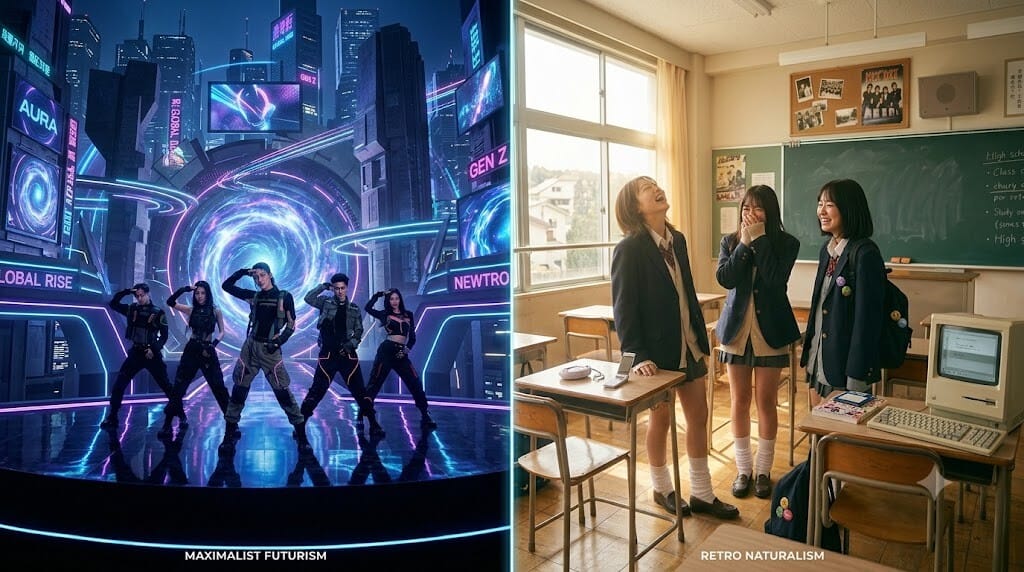
The landscape of K-pop visual design experienced a seismic shift with the arrival of Min Hee-jin’s creative direction. For years, the industry had been heavily dominated by maximalist aesthetics—think exhaustive CGI, complex dystopian storylines, aggressive neon lighting, and untouchable, high-fashion styling. However, a radical departure from this exhausting formula occurred as the focus pivoted to a raw, breezy, and effortlessly cool visual language deeply rooted in late 1990s and early 2000s nostalgia. This pivot did not just change how idol groups look; it completely redefined the emotional connection between the artists and their audience, replacing artificial gloss with relatable realism.
What makes this design trend so remarkable is its unprecedented ability to pierce through multiple generations, uniting them under a shared aesthetic umbrella. For older audiences, the Y2K motif serves as a comforting time capsule, triggering genuine nostalgia for a bygone analog era. Meanwhile, for Generation Z, who never actually lived through the 90s, these same elements offer a fascinating “Newtro” (new retro) novelty. The slightly imperfect, lo-fi aesthetic is not just a basic copy of the past; it is a highly sophisticated visual strategy that feels remarkably authentic and grounded in a world currently saturated with hyper-curated, high-definition perfection.
The Min Hee-jin Effect: A Paradigm Shift in Visuals
Breaking Away from K-Pop Maximalism
Before this shift, a standard K-pop music video felt like a high-budget sci-fi blockbuster. Groups were often dressed in tactical gear or avant-garde high fashion, dancing in front of green screens depicting alien planets or post-apocalyptic cities. The new direction dismantled this trend by bringing idols back down to earth. By placing them in relatable spaces—school gyms, sunny neighborhood streets, and messy teenage bedrooms—this transition from untouchable perfection to approachable realism made the artists feel like peers rather than distant celebrities.
Decoding the Nostalgia: Why It Pierces Through Generations
A Comforting Time Capsule for Millennials and Gen X
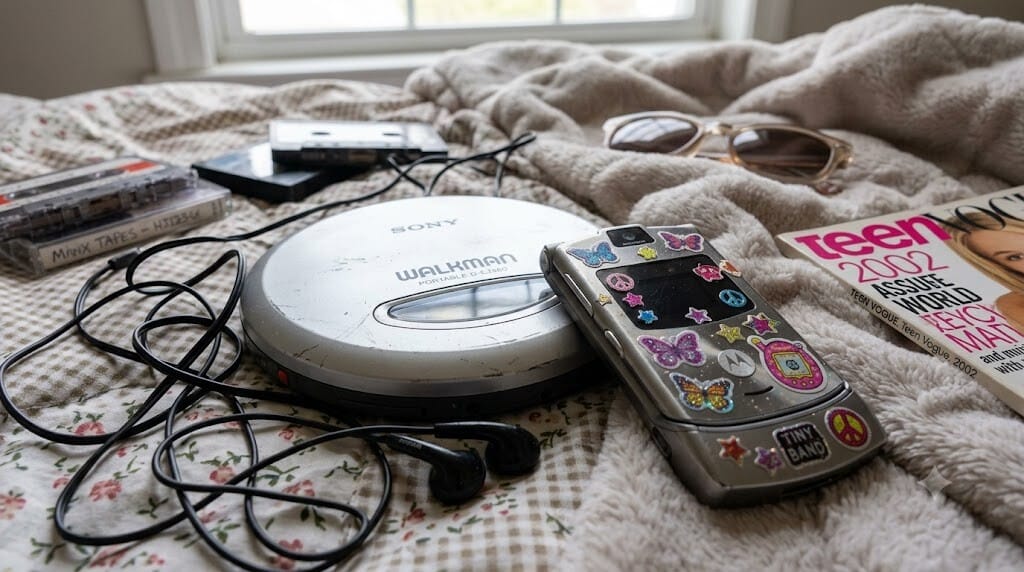
For those who grew up in the late 90s and early 2000s, this visual trend is a direct line to their youth. The inclusion of vintage props—like wired earphones, Tamagotchis, bulky CRT televisions, and portable CD players—evokes a powerful sense of yearning. In an increasingly complex and digitally exhausting modern world, these analog symbols represent a simpler, more innocent time. It allows older generations to consume this media not just for the music, but for the comforting wave of memories the visual design brings with it.
‘Newtro’ Novelty and the Sophistication of Imperfection for Gen Z
If Millennials feel nostalgia, why does Gen Z love this trend just as much? The answer lies in the concept of “Newtro”—experiencing the retro as something entirely new and chic. For teenagers today, the low-resolution aesthetic of a 1999 camcorder doesn’t feel outdated; it feels highly artistic and refreshingly imperfect. Gen Z has grown up with 4K resolution and algorithmic, flawless feeds. To them, the grainy textures, pixelated fonts, and casual, unpolished styling offer a sense of “authenticity” and freedom that modern digital media severely lacks. It is a calculated rebellion against the polished mainstream.
Key Design Strategies of the New Era
Typography and Graphic Design
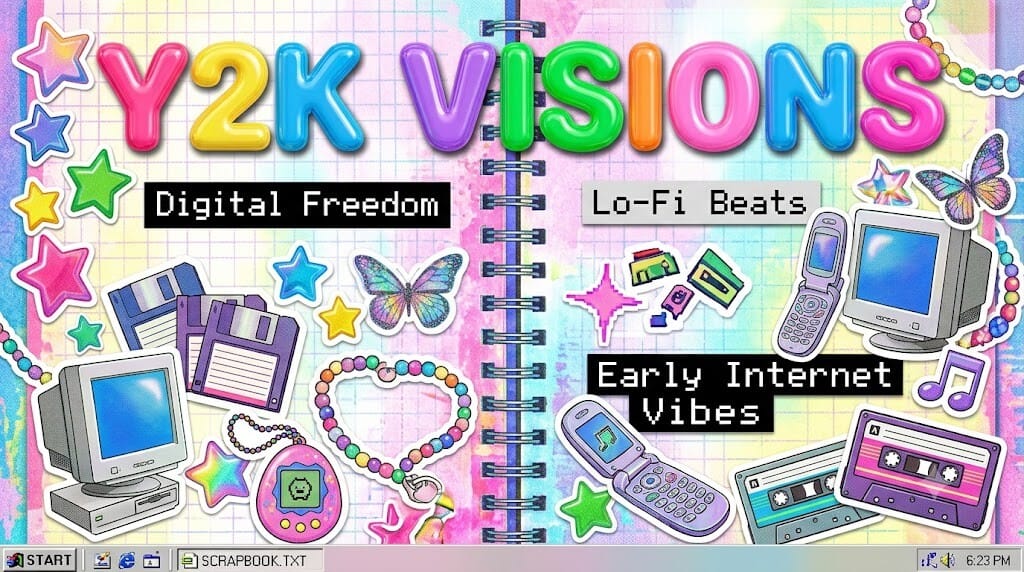
The graphic design accompanying this trend completely ignores modern, minimalist corporate rules. Instead, it embraces joyful chaos. We see the return of pixel art, chunky bubble letters, 3D WordArt reminiscent of early Microsoft Windows, and chaotic layouts that look like a teenager’s scrapbook. Websites and promotional materials are designed to look like early internet forums or retro operating systems, creating a playful, interactive, and less commercialized experience for the fans.
Fashion and Styling
The restrictive, highly coordinated, and weaponized stage outfits of the past have been largely replaced by comfortable, everyday streetwear. Baggy denim, crop tops, oversized varsity jackets, and colorful plastic hair clips dominate the stage. Furthermore, makeup has shifted toward a more natural, “no-makeup” look, emphasizing fresh, youthful skin over heavy contours and intense eye shadow.
Conclusion: The Enduring Legacy of Nostalgic Design
The masterful implementation of the Y2K aesthetic proves that K-pop design does not always need to look toward a futuristic, high-tech utopia to capture the public’s imagination. By looking backward, the industry tapped into a universal human emotion: the longing for youth, authenticity, and simplicity. This strategic design trend successfully pierced through generations because it offered something valuable to everyone—a warm embrace of nostalgia for the older crowd, and a liberating, sophisticated playground of imperfection for the young. Ultimately, it transformed the visual landscape from an overwhelming spectacle into an intimately human and truly cross-generational cultural phenomenon.
Author’s Thoughts: More Than Just a Trend
I believe this Y2K nostalgia is more than just a quick fashion fad. In our fast-paced, highly digital lives, seeing our favorite idols embrace simple, everyday imperfections is truly refreshing. It reminds us that behind the massive K-pop machine, there are relatable, real people. This return to authenticity is exactly the breath of fresh air the industry needed.