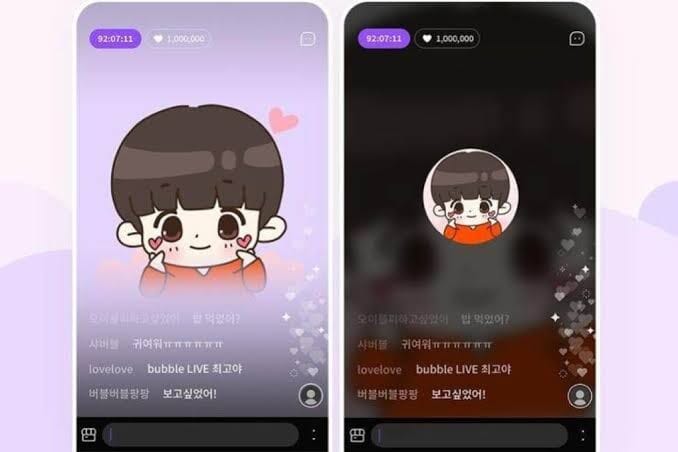
Imagine receiving a notification on your phone from your favorite K-pop idol, asking if you’ve had dinner yet or sharing a candid photo of their day. This isn’t a fan meeting or a scripted social media post; it’s a private message, delivered through dedicated platforms like Weverse or DearU bubble. These apps have completely transformed the landscape of fandom, turning the distant, untouchable stars of the past into companions who feel like they are just a text message away.
This new digital intimacy has created a powerful sense of belonging, making fans feel closer to their idols than ever before. However, beneath the surface of these constant notifications and “personalized” messages lies a complex reality. By blurring the lines between a professional relationship and a personal connection, these platforms have redefined the nature of celebrity and, in the process, introduced significant new pressures for both the stars who need to perform and the fans who invest their emotions into these digital worlds.
The Rise of Digital Intimacy: How Platforms Changed Fandom
The success of apps like Weverse and bubble lies in their ability to simulate an authentic, one-on-one relationship. Unlike traditional social media, where messages are broadcast to millions, these platforms provide an environment that feels private.
The Power of “Para-social” Connections
At the heart of this phenomenon is the concept of a “para-social relationship,” where a fan feels a deep, personal connection to a celebrity they have never actually met. These platforms supercharge this effect. When an idol sends a message, even if it is sent to thousands of fans simultaneously, the app’s interface makes it feel like a private text. This constant stream of communication keeps the fan constantly engaged, creating a cycle where the fan feels like they are genuinely part of the idol’s everyday life.
Creating a Global Sense of Belonging
For international fans, these apps provide something they previously lacked: real-time access. The ability to comment on posts, receive direct updates, and feel “seen” by their favorite artists strengthens their sense of community. It turns a fragmented global fanbase into a cohesive unit that shares the same digital space as the artists they admire, fostering a level of loyalty that is unprecedented in the history of pop culture.
The Hidden Cost: Psychological Pressure and the “24/7” Expectation
While the benefits to fan engagement are obvious, the reality of maintaining this level of connection is far more demanding. The platforms are designed for high-frequency interaction, which inevitably creates significant strain on the artists.
The Burden of Constant Availability
The expectation to be “always on” is perhaps the most significant challenge. Idols are now expected to be not just performers on stage, but also consistent digital companions. When an artist takes a break from these platforms to prioritize their mental health or rest, it can sometimes lead to anxiety among fans who are used to frequent updates. This puts idols in a difficult position: perform the role of the “attentive friend” even when they are exhausted, or risk the perceived “loss of connection” that comes with silence.
When “Casual” Becomes “Transactional”
There is also a subtle danger in turning friendship into a product. Because fans pay a subscription fee for these services, there is an implicit understanding that they are paying for a specific type of intimacy. This commodification of human connection can distort the relationship, turning the idol’s genuine desire to share their life into a job requirement. When every “hello” or “goodnight” message is monitored by metrics and subscription numbers, the line between a sincere interaction and a performance becomes dangerously thin.
The Double-Edged Sword of Virtual Closeness
The evolution of fan-idol communication represents a profound shift in modern entertainment. While it empowers fans and provides artists with a direct channel to their audience, it also fundamentally alters the boundaries that once existed between public figures and their supporters.
Redefining Boundaries in the Digital Age
As these technologies continue to evolve, the industry must find a way to balance engagement with healthy boundaries. Both fans and artists need to navigate these virtual spaces with a clear understanding that while the connection feels real, the digital medium is a curated, professional environment. Promoting digital literacy and encouraging fans to maintain their own healthy boundaries is essential for the long-term well-being of the entire community.
Sustaining the Human Connection
The true value of these platforms should be found in genuine creative sharing, not in the artificial simulation of romantic availability. When idols are allowed to share their work and their lives on their own terms, the relationship remains healthy and sustainable. The goal should be to maintain a space where fans feel connected to the art and the artist without feeling the need to own the artist’s time or emotional energy.
Writer’s Opinion
The “para-social” intimacy offered by these apps is a brilliant business model, but it’s a demanding one. As a fan, it’s easy to get lost in the feeling of being “close” to a star. As an artist, being tethered to a notification bell 24/7 is not just a job; it’s an exhausting performance of authenticity. We need to remember that idols are human, not digital companions on demand. These platforms are best used as tools for sharing, not as replacements for real-life boundaries.