Virtual idols like PLAVE and MAVE: have taken the global entertainment industry by storm, captivating millions of fans with their flawless digital avatars, gravity-defying performances, and seamless online interactions. But behind the glossy rendering, hyper-realistic physics, and perfect pixels, there are actual human beings breathing life into these digital characters. These motion capture actors, voice artists, and physical performers are the unsung, and often unseen, heroes of the virtual entertainment era. Yet, as the popularity of these digital entities skyrockets, the legal standing of the humans operating them remains largely trapped in a convoluted gray area. As the line between digital creation, artificial intelligence, and human performance continues to blur, a pressing and controversial question emerges: what are the actual rights of the “real” people hiding behind the virtual stars?
The rapid, explosive rise of virtual humans has significantly outpaced the evolution of modern labor laws and intellectual property regulations. While powerful entertainment companies and tech startups hold the absolute copyrights to the 3D models, character lore, and brand identities, the legal protection for the human actors driving these avatars is fraught with complexity and contradiction. From the complicated nuances of portrait rights—especially when the face on the screen isn’t theirs, but the physical movements and expressions are—to fundamental issues of fair compensation, royalties, and basic labor rights, the entertainment industry is standing at a critical legal crossroads. In this comprehensive guide, we will dive deep into the labor laws, portrait rights, and the ongoing legal debates surrounding the “shadow actors” behind today’s biggest virtual idols, and explore what the future holds for this rapidly expanding digital frontier.
The Rise of Virtual Idols: PLAVE, MAVE:, and the Human Element
The concept of virtual entertainers is not entirely new, but the technology driving them has reached unprecedented levels of sophistication. To understand the legal dilemmas, we must first understand how these digital performers operate in the modern landscape.
Understanding the Mechanics of Virtual Performers
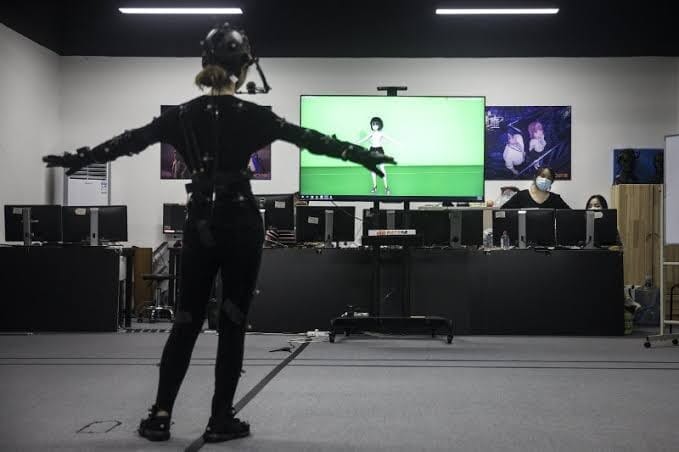
Groups like PLAVE and MAVE: represent the bleeding edge of virtual entertainment. PLAVE, for instance, operates heavily on a model where real human members (often referred to as the “main body” or “본체” in Korean fandoms) sing, dance, and interact with fans live while wearing motion-capture (mo-cap) suits. Their movements and facial expressions are translated in real-time to anime-style avatars. MAVE:, on the other hand, utilizes a blend of hyper-realistic CGI, AI-generated voices, and human mo-cap dancers to create polished, high-fidelity music videos and performances. In both models, human labor is the fundamental engine driving the digital illusion.
The Hidden Workforce: Motion Capture and Voice Actors
Unlike traditional K-Pop idols or actors who build a personal brand using their own faces and names, the actors behind virtual idols are legally and contractually obscured. They are essentially a hidden workforce. Their artistic expressions, vocal techniques, and physical stamina are commodified into a digital product owned entirely by the agency. This separation of the performer from their public identity creates a unique set of challenges that traditional entertainment law was never designed to handle.
Labor Laws and the Virtual Human Industry
When discussing the legal status of the humans behind virtual idols, the first major hurdle is basic labor law. How are these performers classified, and what protections are they legally entitled to?
Employee vs. Independent Contractor Status
In many jurisdictions, motion capture performers and voice actors are hired as independent contractors rather than full-time employees. This classification significantly limits their access to standard labor protections, such as health insurance, overtime pay, and workers’ compensation. Because the virtual idol is viewed as a technological product or a piece of software IP, the human actor is often treated merely as a data-input mechanism. If an actor behind a famous virtual idol is fired or replaced, they have virtually no legal recourse to claim wrongful termination, nor can they take the “character” they helped build with them.
Working Conditions and Occupational Hazards in Mo-Cap Suits
Performing in heavy, restrictive motion-capture suits for hours on end is physically grueling. Real-time rendering requires actors to wear head-mounted cameras (to capture facial expressions) and tightly fitted suits covered in sensors. Prolonged use of this equipment can lead to physical strain, repetitive stress injuries, and exhaustion. Because these actors are operating behind closed doors without the public scrutiny that protects traditional on-camera idols, there is a growing concern about the regulation of their working conditions and the enforcement of occupational health and safety standards.
The Complex Debate Over Portrait Rights
Portrait rights, or the right of publicity, generally protect individuals from the unauthorized commercial use of their name, image, or likeness. But how does this apply to virtual humans?
What Are Portrait Rights in the Digital Age?
Traditionally, portrait rights are tied directly to an individual’s recognizable physical appearance. If a company uses a celebrity’s face to sell a product without permission, it is a clear violation. However, in the realm of virtual idols, the face the public sees is entirely synthesized. The commercial value is derived from a 3D model that the company owns, creating a massive legal loophole regarding the human performer’s likeness.
Do Actors Have Rights to a Face That Isn’t Theirs?
The core debate centers around whether movement, mannerisms, and micro-expressions constitute a “likeness.” When a PLAVE member makes a specific, recognizable gesture, or has a distinct way of smiling that is translated 1-to-1 onto their avatar, does that unique physical expression belong to the human or the agency? Currently, the law leans heavily toward the agency. Because the final output is a digital mask, courts generally do not recognize the human actor’s portrait rights over the avatar, leaving performers incredibly vulnerable to being legally erased from the art they helped create.
Biometric Data and Privacy Concerns
Furthermore, the technology relies on harvesting the actor’s biometric data—precise skeletal movements, eye tracking, and facial muscle contractions. The legal boundaries of how entertainment companies store, reuse, and potentially manipulate this biometric data long after an actor’s contract has expired remain dangerously undefined. If an agency uses recorded mo-cap data to train an AI model to replicate an actor’s specific dancing style without further compensation, it crosses into uncharted legal and ethical territory.
Intellectual Property and Copyrights
The financial success of virtual idols relies heavily on merchandising, music streams, and brand deals. But how is the pie divided when the “star” isn’t a legal person?
Who Owns the Character?
In standard entertainment contracts, the agency retains all intellectual property rights to the virtual character’s name, design, and backstory. The human actor is typically paid a flat session fee or a strictly capped salary, regardless of how much revenue the virtual idol generates. This mirrors the animation and video game industries, but virtual idols involve continuous, ongoing live performances and parasocial fan engagements that blur the line between a voice acting gig and being a full-time pop star.
Fair Compensation and Royalties for the “Real” Talent
As virtual groups like PLAVE sell hundreds of thousands of albums and hold sold-out virtual concerts, the demand for equitable profit-sharing is growing. There is a pressing need for legal frameworks that guarantee royalties and residual income for the human performers, acknowledging that the avatar’s success is inextricably linked to the specific human charisma and talent driving it.
Case Studies: Navigating the Legal Gray Areas
Different companies are handling the human-digital divide in wildly different ways, setting precedents that will shape the future of the industry.
The PLAVE Model: Transparency and Fandom Connection
PLAVE has adopted a relatively transparent approach. While the real identities of the members are technically kept secret to maintain immersion, the fandom is acutely aware that real, distinct individuals are behind the avatars. The charm of the group comes from the human errors, spontaneous jokes, and live interactions that AI cannot replicate. This model creates a strong moral argument that the “main bodies” are the true artists, which could eventually empower these performers to demand better contractual terms based on their irreplaceable value to the group’s brand.
MAVE: and the Fully AI/Human Hybrid Approach
Conversely, groups like MAVE: lean heavily into the illusion of complete artificiality. While human dancers and voice models are used, they are heavily processed and blended with AI-generated elements. In these scenarios, the individual human contribution is intentionally diluted, making it significantly harder for any single performer to claim legal rights or demand ongoing compensation for the avatar’s success.
Building a Legal Framework for the Future
The current legal vacuum cannot sustain the virtual entertainment industry indefinitely. As the technology becomes cheaper and more prevalent, legislative action will be required.
Updating Labor Contracts for Virtual Entertainers
Standard entertainment contracts must be radically updated to reflect the realities of virtual performance. This includes clear stipulations regarding the ownership of biometric data, the right to attribution (acknowledging the human performer behind the avatar), and dynamic compensation models that allow actors to share in the long-term financial success of the virtual IP.
Establishing Industry Standards and Unionization
Ultimately, the most effective way for the actors behind virtual humans to secure their rights is through collective bargaining. Actor’s unions, such as SAG-AFTRA in the United States, have already begun striking and negotiating over the use of AI and digital replicas. Similar unionization efforts and industry-wide standard contracts are urgently needed in the virtual idol sphere to ensure that the human soul powering the digital machine is not exploited.
Writer’s Opinion
Wait, so the person actually sweating in the mo-cap suit… they might not even own their own dance moves or facial expressions? Isn’t that just wild? I was thinking about this while watching a recent virtual idol live stream… it’s like, the shiny avatar is the global superstar, but there’s a real human breathing heavy behind that digital mask making all the magic happen. Are we just going to pretend they are pieces of software? Like, really? It just feels a bit… messy right now. We definitely need some new rules before this gets totally out of hand, right? Because if we don’t, we’re basically just building a dystopian gig economy for artists.