
The global phenomenon of K-Pop is often associated with perfectly synchronized choreography, chart-topping hits, and a meticulously crafted image of youth and perfection. Behind the dazzling lights of stadium concerts and the millions of adoring fans, however, lies a highly complex, fiercely guarded corporate machine. As the industry has expanded into a multi-billion-dollar global enterprise, the stakes for maintaining an idol’s pristine reputation have never been higher. A single unverified rumor, a malicious comment, or a viral piece of fake news can now wipe out millions of dollars in stock value overnight, jeopardize international brand endorsements, and inflict severe psychological damage on the artists themselves. This immense pressure has given birth to a sophisticated, ruthlessly efficient crisis management system within major entertainment companies, fundamentally transforming how the industry handles public relations.
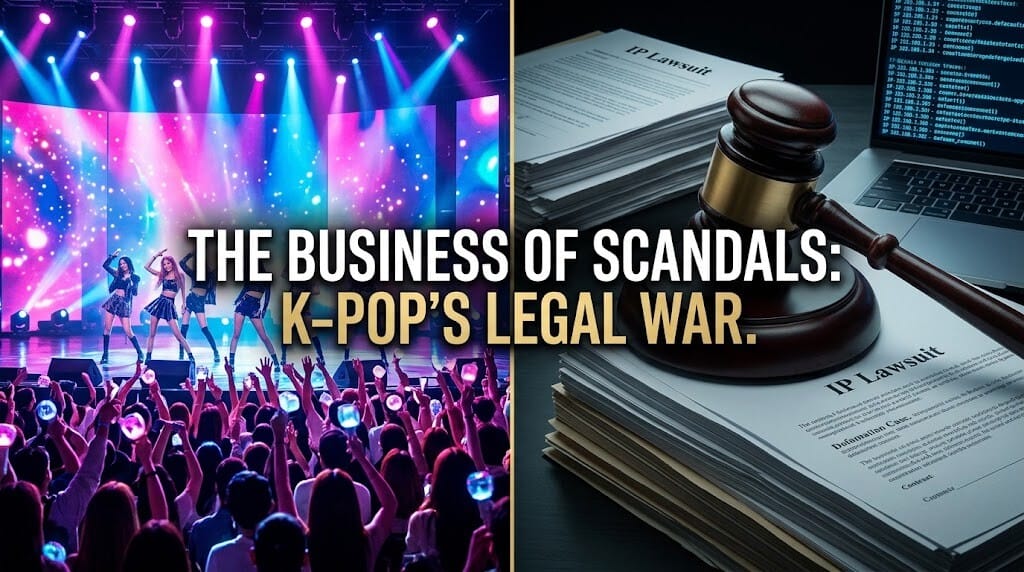
Gone are the days when a scandal would simply be met with a generic apology letter or a brief period of “self-reflection.” Today, the K-Pop industry is engaged in a full-scale legal war against those who seek to profit from defamation. The battleground has shifted from domestic internet forums to global social media platforms, and the adversaries are no longer just angry fans, but highly organized “cyber wreckers” content creators who monetize malicious rumors. To combat this, entertainment agencies have partnered with elite, dedicated law firms, creating a rapid-response legal infrastructure that tracks, traces, and prosecutes digital trolls across international borders. The era of leniency is dead; welcome to the modern economics of K-Pop defamation.
The Economics of Defamation in the K-Pop Industry
The intersection of celebrity culture and digital media has created a lucrative, yet deeply toxic, shadow economy. Understanding why malicious comments and fake news have become so prevalent requires looking past the emotional vitriol and analyzing the financial incentives that drive this behavior.
“Cyber Wreckers”: The Profitable Business of Rumors
In the South Korean internet ecosystem, the term “cyber wrecker” refers to YouTubers, bloggers, and social media influencers who aggressively latch onto celebrity scandals, rumors, and tragedies the same way a tow truck (wrecker) rushes to the scene of a car accident. These creators do not care about journalistic integrity or the truth; their sole objective is to generate clicks, views, and, ultimately, ad revenue. By fabricating sensational headlines, editing videos out of context, and spreading malicious defamation about popular K-Pop idols, they trigger emotional responses from fans and haters alike.
The economics of this operation are staggering. A single viral video attacking a top-tier K-Pop idol can generate millions of views within a few hours. Through YouTube’s monetization program, sponsorships, and direct fan donations (Super Chats), a successful cyber wrecker can earn tens of thousands of dollars a month simply by manufacturing outrage. Because the financial rewards far outweigh the perceived risks of traditional domestic defamation laws, the industry of hate has flourished, treating idol reputations as disposable commodities to be mined for cash.
Why Malicious Comments Cost Agencies Millions
For an entertainment agency, an idol is not just an artist; they are an intellectual property (IP) asset that requires millions of dollars and years of training to develop. The K-Pop business model relies heavily on the “parasocial relationship” between idols and fans, a bond built on trust, admiration, and a flawless public image. When a cyber wrecker launches a defamation campaign, the financial fallout can be immediate and devastating.
First, there is the direct impact on stock prices. Major agencies like HYBE, SM, JYP, and YG are publicly traded companies. A severe rumor regarding a flagship artist can trigger panic selling, erasing millions in market capitalization in a single trading day. Second, luxury fashion brands and global advertisers, who pay millions for idol endorsements, have strict morality clauses. A tainted image can lead to canceled contracts, massive penalty fees, and the loss of future commercial opportunities. Finally, there is the human cost. The psychological toll on the artists often leads to hiatuses, delaying album releases and canceling sold-out world tours. When you calculate the lost revenue, the cost of a single unchecked rumor can easily run into the tens of millions of dollars.
Inside the K-Pop Crisis Management System
To protect their most valuable assets, entertainment companies have had to abandon passive defense strategies in favor of aggressive, proactive crisis management. This system operates with military precision, combining public relations, digital forensics, and legal intimidation.
The First 24 Hours: Scandal Suppression Tactics
When a potential scandal or malicious rumor breaks, the first 24 hours are critical. Entertainment agencies employ dedicated monitoring teams that scrape social media, community forums (such as TheQoo, Pann, and DC Inside), and YouTube 24/7. Advanced algorithms and AI tools are increasingly used to detect spikes in negative keywords associated with their artists.
Once a threat is identified, the crisis management protocol is activated. The first step is containment. Agencies will immediately issue a holding statement to the press, warning that they are verifying the facts and will take strict legal action against the spread of false information. This serves a dual purpose: it signals to fans that the company is protecting the artist, and it acts as a warning shot to media outlets, discouraging them from publishing unverified claims. Behind the scenes, the agency’s PR team works frantically to secure evidence, cross-reference schedules, and prepare a definitive, legally vetted rebuttal. If the rumor is entirely false, the agency transitions instantly from PR management to legal prosecution.
Dedicated Entertainment Law Firms: The Unsung Heroes
The sheer volume of digital defamation has outgrown the capacity of in-house legal teams. As a result, major K-Pop agencies now retain specialized entertainment law firms whose primary function is to serve as digital attack dogs. These firms do not just handle contract disputes; they have entire departments dedicated exclusively to monitoring, archiving, and prosecuting malicious commenters.
These legal teams operate like digital detectives. They collect thousands of PDF captures, archive deleted posts using web caching tools, and trace IP addresses. In the past, companies would periodically announce “mass lawsuits” and then quietly drop charges if the perpetrator wrote an apology letter. Today, the standard operating procedure is “zero tolerance.” Law firms are instructed to pursue the maximum criminal penalties and follow up with civil lawsuits for financial damages, ensuring that the perpetrators are financially ruined. The message to the public is clear: hiding behind an anonymous username will not save you from legal and financial ruin.
The Global Legal Battlefield
The biggest challenge in the war against digital defamation has historically been the jurisdictional limits of South Korean law. While South Korea has strict cyber defamation laws, perpetrators quickly learned that they could evade prosecution by using overseas platforms like YouTube, Twitter (X), and Reddit, where user data is protected by foreign privacy laws. However, the K-Pop legal machine has recently broken through this barrier, setting groundbreaking global precedents.
Crossing Borders: Suing International Trolls
For years, cyber wreckers felt invincible operating on YouTube, knowing that Google’s servers were in the United States and that the company rarely handed over user data for foreign defamation claims, as US law heavily protects free speech. But K-Pop agencies and their law firms changed their strategy. Instead of fighting through Korean courts, they took the battle directly to the United States judicial system.
In a landmark case, a major K-Pop agency’s legal team filed a lawsuit in a US federal court, utilizing a legal mechanism known as Section 1782, which allows a US court to order discovery (the release of information) for use in a foreign proceeding. By proving that the cyber wrecker’s content was not just an opinion but a malicious, coordinated campaign of financial sabotage and severe defamation, the US court ordered Google to unmask the identity and IP address of the anonymous YouTuber.
This was a massive shockwave through the cyber wrecker community. The realization that entertainment companies were willing to spend hundreds of thousands of dollars on US litigation just to unmask a single anonymous troll changed the entire landscape. Once the identity was secured from Google, the agency filed massive civil and criminal suits against the individual back in South Korea. This relentless, borderless pursuit has established a new global standard for digital crisis management.
The Future of Fan Culture and Legal Boundaries
The escalation of legal warfare in K-Pop is reshaping fan culture itself. Fandoms are now highly organized, operating their own “monitoring accounts” that collect evidence of malicious comments and forward them directly to the agencies’ legal teams via dedicated email portals. Fans have essentially become the intelligence-gathering wing of the entertainment companies’ law firms.
However, this aggressive legal posture also raises complex questions about the boundaries of free speech and legitimate criticism. As agencies tighten their grip on their artists’ public images, there is a growing debate about where to draw the line between malicious defamation and justified consumer critique. When an idol is involved in a genuine controversy—such as a DUI, drug use, or serious behavioral issues—agencies must tread carefully. Using heavy-handed legal threats to suppress legitimate public backlash can backfire spectacularly, damaging the company’s credibility and alienating the core fanbase. The ultimate challenge for the K-Pop crisis management system is maintaining the balance between protecting artists from toxic abuse and allowing for authentic, transparent communication with the public.
Writer’s Opinion
Honestly, when you sit back and look at how massive these legal teams are, it’s kind of wild, right? Like, you’d think K-pop is just about the music, the dancing, and the shiny music videos, but behind the scenes, it’s basically a massive corporate warzone. It makes you wonder—are we just consuming music, or are we consuming highly polished, legally protected products? I mean, suing random trolls across the globe through US federal courts just to protect a singer’s image… that’s some James Bond villain level of resources, isn’t it? It feels a little dystopian sometimes, but then again, seeing how ruthlessly these “cyber wreckers” ruin lives for a few YouTube ad dollars, maybe this extreme legal violence is exactly what the industry needs. The whole thing is just… fascinating and a bit terrifying, don’t you think?