The meteoric rise of K-pop on the global stage is often attributed to catchy melodies, impeccable choreography, and high-production music videos. However, beneath the surface of these undeniable artistic merits lies an unprecedented, highly orchestrated force: the modern K-pop fandom. Unlike traditional music fans who passively consume content, K-pop enthusiasts operate as highly organized, data-driven syndicates. At the heart of this phenomenon are two uniquely Korean fan culture concepts that have fundamentally disrupted global music metrics, particularly the Billboard charts: “Group Buying” (공동 구매) and “Chong-gong” (총공, short for total attack or mass attack). These strategies have transformed fandom from a casual hobby into a sophisticated, quantifiable powerhouse. Through meticulous planning and international coordination, these fanbases have managed to turn their passion into tangible numbers that the global music industry can no longer ignore. The sheer scale at which these operations occur is mind-boggling, often rivaling the marketing departments of major record labels in terms of efficiency, reach, and financial impact.
To understand how South Korean artists continually shatter global records, one must look past the recording studio and into the digital war rooms of Twitter spaces, Discord servers, and fan cafes. Here, fans pool resources, analyze chart algorithms, and execute synchronized campaigns to propel their favorite idols to the top of international charts. While this level of dedication showcases an inspiring form of global solidarity and democratizes a historically Western-centric music industry, it also sparks intense debate. The practice of “lining up the charts” raises critical questions about the authenticity of these rankings, leading to significant pushback from chart administrators and critics alike. Are these charts reflecting what the general public is actually listening to, or are they merely measuring which fandom has the most disposable income and time? This article explores the mechanics, positive impacts, and inherent limitations of K-pop fandom’s organizational power, dissecting how data-driven devotion is reshaping the very definition of musical success in the modern era.
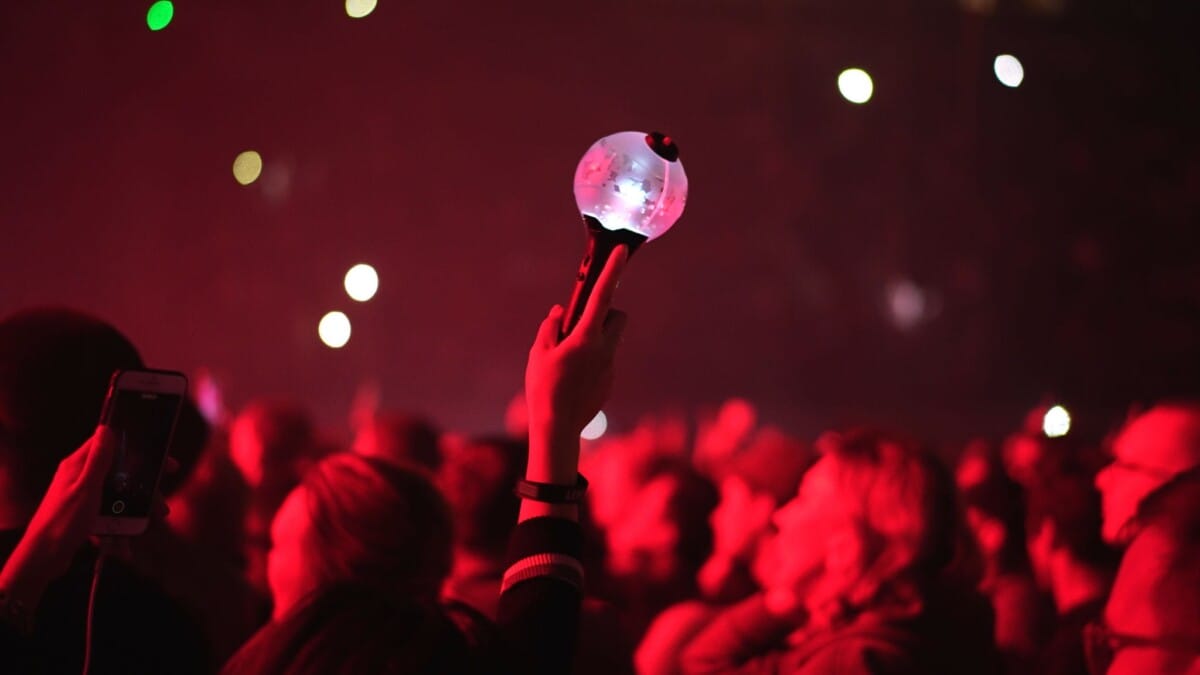
The Mechanics of K-Pop Fandoms: Decoding Group Buying and Chong-gong
To fully grasp the magnitude of K-pop’s influence on global charts like the Billboard Hot 100 and Billboard 200, one must first understand the specific mechanisms fans use to mobilize their collective power. Fandoms are not simply groups of individuals buying albums independently; they are structured organizations with hierarchies, financial departments, and strategic planners.
Group Buying (Gong-gu): The Power of Collective Purchasing
“Group Buying,” or Gong-gu in Korean, is a practice where fanbases pool their money together to purchase physical albums or digital tracks in massive, bulk quantities. Originally, this started as a way to reduce international shipping costs for fans living outside of South Korea. However, as K-pop’s global footprint expanded, group buying evolved into a highly strategic tool designed to maximize chart performance.
Fanbase administrators will often set up donation pools weeks before an artist’s comeback (new release). Fans from all over the world contribute money according to their financial ability. The collected funds are then used to strategically purchase albums or digital downloads specifically in regions where those sales will count toward major charts, such as the United States for the Billboard charts or the UK for the Official Charts. This localized purchasing strategy ensures that the sheer volume of international fan support is translated directly into chart points where it matters most. Furthermore, group buying helps fans secure random photocards and fan-call lottery tickets, creating a symbiotic loop between consumer desire and chart manipulation.
Chong-gong: Coordinated Digital Streaming and Voting Attacks
While group buying handles the sales metrics, Chong-gong takes care of streaming and voting. Chong-gong, literally translating to “total attack,” refers to highly synchronized, mass actions undertaken by fans to dominate digital platforms. During a Chong-gong, fanbases release detailed “streaming manuals” instructing fans on exactly how to behave on platforms like Spotify, Apple Music, and YouTube to avoid triggering bot-detection algorithms.
These manuals dictate the specific order of songs to play (creating a “streaming playlist”), how often to clear the cache, and what volume levels are acceptable. Fans often run multiple devices simultaneously 24/7 to artificially inflate streaming numbers. In addition to streaming, Chong-gong applies to online voting for music awards and mass-requesting songs on local radio stations. Fanbases create thousands of accounts on voting applications, organizing their efforts so that their chosen artist receives an overwhelming surge of votes in a matter of minutes. It is a digital blitzkrieg that leaves organically trending artists struggling to compete.
The Positive Impact: A Data-Driven Modern Fandom Culture
While critics often focus on the artificial nature of these numbers, it is crucial to recognize the profound positive functions of this modern, data-driven fandom culture. The organizational power of K-pop fans goes far beyond mere chart manipulation; it represents a new era of digital community building and industry democratization.
Democratizing Global Music Charts and Breaking Ceilings
Historically, Western music charts like Billboard were nearly impenetrable for non-English speaking artists. The industry gatekeepers—radio DJs, major record labels, and traditional PR firms—heavily favored domestic talent. The organizational power of K-pop fandoms effectively bypassed these traditional gatekeepers. By leveraging the internet, fans proved that consumer demand could force the industry to pay attention.
The success of Chong-gong and group buying forced Western media and award shows to acknowledge the global shift in music consumption. It shattered the glass ceiling for Asian artists, proving that language barriers are irrelevant when backed by organized passion. This phenomenon has democratized the music industry, allowing artists from smaller agencies and non-Western backgrounds to achieve unprecedented global visibility. In this light, the data manipulation is seen by many fans as a necessary equalizer against a system that was inherently biased against their idols.
Fostering Global Communities, Solidarity, and Philanthropy
Beyond the numbers, the infrastructure built to support Chong-gong has created massive, highly engaged global communities. These networks transcend geographical, cultural, and linguistic boundaries. Fans learn new languages, exchange cultural nuances, and build lasting friendships through their shared goals.
Moreover, this unparalleled organizational power is frequently redirected toward philanthropic causes. K-pop fandoms are famous for their charitable “Chong-gong.” Within hours, a fanbase can mobilize to raise tens of thousands of dollars for disaster relief, environmental conservation, or human rights initiatives under their idol’s name. The same digital infrastructure used to bulk-buy albums was famously used by K-pop fans to disrupt political rallies and drown out racist hashtags on Twitter during the Black Lives Matter movement. This proves that the modern fandom is a potent social force capable of driving real-world change.
The Dark Side: Criticisms of “Chart Manipulation” and Lining Up
Despite the positive community aspects, the primary goal of these tactics—dominating the charts—has drawn severe criticism from industry purists, rival fanbases, and the general public. The phenomenon of “chart lining up” (차트 줄 세우기), where an artist’s entire album occupies the top 10 or 20 spots on a chart simultaneously, has sparked intense debate about the integrity of modern music metrics.
Distorting Genuine Popularity Metrics
The fundamental purpose of a music chart is to reflect what the general public is actively listening to and enjoying. However, group buying and mass streaming severely distort this metric. When a song reaches number one on the Billboard Hot 100 purely through the coordinated mass-purchasing efforts of a dedicated fanbase, it often drops off the chart entirely the very next week once the fan funds are depleted. This “free-fall” effect makes it blatantly obvious that the song lacks genuine public appeal and organic virality.
Critics argue that this gamification of the charts turns music into a sport rather than an art form. It alienates casual listeners who tune into chart playlists expecting to hear widespread cultural hits, only to find them dominated by tracks artificially propped up by a few thousand hyper-dedicated fans playing the song on mute while they sleep. Furthermore, the extreme pressure to participate in Chong-gong can create a toxic environment within the fandom itself, where fans are guilt-tripped or ostracized if they do not spend money or stream continuously.
The Environmental Toll of Physical Bulk Buying
Another massive criticism leveled at the group buying culture is its severe environmental impact. To boost physical sales numbers and collect randomized merchandise (like photocards), fans frequently purchase dozens or hundreds of copies of the exact same album. Since the buyer only wants the merchandise and the chart points, the physical CDs and photobooks themselves become instant waste. Massive piles of discarded K-pop albums have been found in dumpsters or abandoned at orphanages (donated under the guise of charity but practically serving as a disposal method). This culture of mass overproduction and immediate disposal directly contradicts the eco-friendly messaging many entertainment companies try to promote.
Billboard’s Response: Rule Changes and Algorithmic Shifts
Chart administrators have not been blind to these tactics. Recognizing that K-pop fanbases were exploiting loopholes in the system, Billboard has implemented several significant rule changes over the past few years to curb the influence of mass buying. In early 2022, Billboard announced a major policy shift: they would only count one digital sale per customer per week. Previously, fans could buy the same song up to four times in a week, and all would count toward the Hot 100.
Additionally, streaming platforms like Spotify and Apple Music have become increasingly aggressive in filtering out “bot-like” behavior. If a user streams a single song on a loop without breaks, the platform’s algorithm flags the streams as fraudulent and removes them from the final tally. These systemic changes have been a direct response to K-pop Chong-gong, aiming to restore the charts as a reflection of organic popularity rather than organized financial brute force.
The Future of Fan Organization in a Post-Rule-Change Era
As Billboard and streaming platforms tighten their rules to block mass buying and synthetic streaming, K-pop fandoms are being forced to evolve. The era of securing a number-one hit solely through brute-force group buying is slowly coming to an end. Instead, smart fanbases are shifting their strategies toward organic growth and virality.
Modern campaigns are focusing less on looping songs in the dark and more on creating engaging TikTok trends, YouTube Shorts, and Instagram Reels. Fans are realizing that true longevity on the charts requires catching the attention of the general public. While the financial power of the fandom will always be a cornerstone of K-pop’s success, the new frontier of Chong-gong involves acting as grassroots PR agents—pitching songs to popular influencers, creating viral memes, and integrating the music into broader pop culture trends. This evolution suggests a maturing of the fandom culture, moving from insular, brute-force tactics to broader, more sustainable cultural integration.
Writer’s Opinion
While the global impact and dedication of K-pop fandoms are revolutionary, the stressful and expensive tactics used to dominate charts are concerning. Treating music as a costly obligation—like mass-buying and discarding albums—harms both the environment and the art itself. I hope fans can shift their incredible organizational power away from digital warfare and return to enjoying the music organically. Real popularity can’t be bought, and K-pop’s quality speaks for itself.