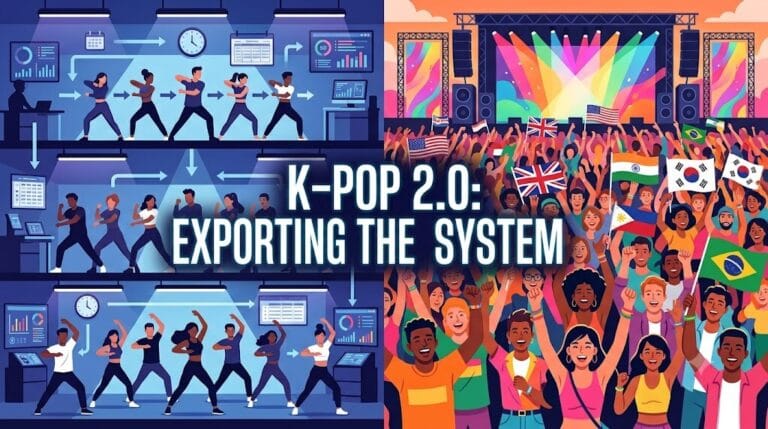
The global explosion of K-pop is one of the most fascinating cultural phenomena of the 21st century. Characterized by incredibly catchy music, mesmerizing choreography, and visually stunning music videos, the industry has captured the hearts of millions of dedicated fans across the globe. However, this massive success has brought to light a significant and growing environmental crisis. While the rest of the world has largely moved away from physical CDs in favor of digital streaming platforms, the K-pop industry is selling physical albums in record-breaking numbers every single year. These massive sales figures are a testament to the passion of the fans, but they also result in staggering amounts of plastic waste that end up in landfills, creating a severe ecological footprint that the industry can no longer simply sweep under the rug.
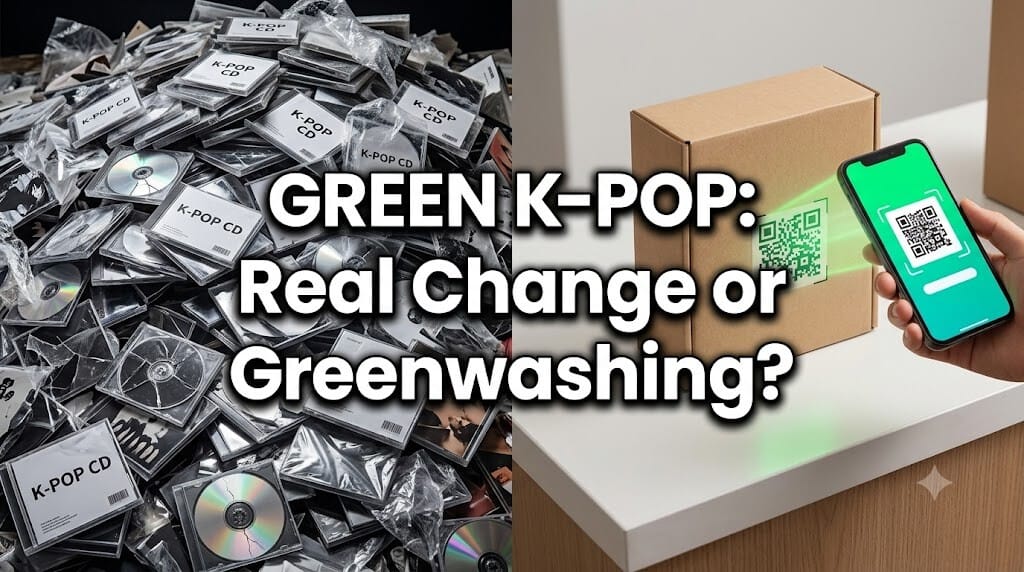
In recent years, as global awareness of climate change has intensified, the concept of “Green K-pop” has emerged as a potential solution to this mounting waste problem. Major South Korean entertainment companies are feeling the pressure from both environmentally conscious consumers and climate activists. In response, these agencies have started introducing eco-friendly alternatives, often referred to as “eco-albums.” These new formats boast biodegradable packaging, soy-based inks, and digital-only platforms that replace the traditional plastic CD. But as these green initiatives become the new standard, a critical conversation has sparked among fans and environmentalists alike. We must ask ourselves: are these eco-friendly albums a genuine, effective step toward protecting our planet, or are they simply a clever marketing strategy designed to mask the industry’s ongoing issues with overconsumption and mass production?
The Hidden Cost of Global Stardom: K-pop’s Plastic Problem
To truly understand the necessity of the “Green K-pop” movement, it is essential to first understand why the industry produces so much physical waste in an era of digital music. The root cause lies in the unique consumer culture that entertainment companies have meticulously cultivated over the past decade.
Why Do Fans Buy So Many Albums?
For the average K-pop fan, buying a physical album is rarely about actually listening to the CD. Most fans stream the music on Spotify, Apple Music, or Melon. Instead, the physical album serves as a piece of merchandise, a collectible item, and, most importantly, a lottery ticket. The biggest driver of physical album sales is the inclusion of randomized “photocards.” These are small, beautifully printed cards featuring exclusive selfies of individual group members. Because the cards are distributed at random, fans who want to collect all the cards of their favorite member—or the entire group—must buy multiple copies of the exact same album.
Furthermore, purchasing albums is the primary way fans gain entry into highly exclusive “fansign” events. A fansign is an event where lucky fans get to meet their idols in person, get autographs, and chat with them briefly. Entry is determined by a lottery system, and every album purchased counts as one entry. To secure a spot, dedicated fans frequently buy fifty, one hundred, or even several hundred copies of a single album release. Once the photocards are taken out and the lottery entries are logged, the actual CDs and the heavy photobooks become entirely useless to the buyer.
The Environmental Impact of Mass Production
This culture of aggressive bulk buying leads to a catastrophic amount of waste. Millions of albums are manufactured, shipped globally, and then almost immediately discarded. Fans often try to donate these leftover albums to orphanages, cafes, or schools, but these institutions usually reject them because they simply have no use for thousands of identical CDs. Consequently, these “album orphans” end up in the trash.
The environmental toll is massive. Traditional CDs are made of polycarbonate, a type of plastic that takes hundreds of years to decompose in a landfill. If incinerated, they release harmful toxic chemicals and greenhouse gases into the atmosphere. Beyond the plastic discs, traditional albums come heavily packaged. They feature thick, glossy photobooks made of coated paper that cannot be easily recycled, wrapped tightly in non-recyclable plastic shrink wrap. According to environmental organizations in South Korea, the top entertainment agencies generate thousands of tons of plastic waste every year. The carbon footprint involved in the manufacturing, printing, and international shipping of products destined for the garbage bin is a glaring issue in the fight against climate change.
What is “Green K-pop”? The Industry’s Eco-Friendly Pivot
Recognizing the growing backlash from a socially conscious younger generation, the K-pop industry has initiated a pivot toward sustainability. Entertainment companies are beginning to publish ESG (Environmental, Social, and Governance) reports and are making public pledges to reduce their carbon footprint. This has given rise to the “Green K-pop” initiative, primarily manifesting through changes in physical album production.
Biodegradable Materials and Soy-Based Inks
One of the first steps agencies took was altering the materials used in traditional album packaging. Many companies have started replacing environmentally harmful glossy paper with Forest Stewardship Council (FSC) certified paper, which ensures that the wood used to make the paper is sourced from responsibly managed forests. Additionally, chemical-heavy printing dyes are being swapped out for eco-friendly soy-based inks, which are easier to recycle and less toxic to the environment.
We are also seeing a conscious effort to eliminate single-use plastics from the packaging. Some agencies have replaced the traditional plastic shrink wrap with biodegradable wrappers or paper sleeves. While these changes do not solve the problem of mass production, they do ensure that the materials ending up in landfills break down much faster and with less toxic residue than their predecessors.
The Rise of Platform and Digital Albums
The most significant innovation in the “Green K-pop” movement is the introduction of platform or digital albums. These alternative formats aim to entirely remove the heavy, plastic-heavy physical CD from the equation. When a fan purchases a platform album, they usually receive a very small, minimalist cardboard package. Inside, instead of a CD, they find their highly desired photocards and a digital code—often in the form of a QR code or a tiny Near Field Communication (NFC) card.
By scanning this code with a smartphone application, fans can download the music, view high-definition digital photobooks, and access exclusive digital content. Because these platform albums are a fraction of the size and weight of traditional albums, they require significantly fewer raw materials to produce. They also drastically cut down on carbon emissions related to shipping, as a box that previously held ten traditional albums can now hold a hundred platform albums.
Are Eco-Albums Actually Working? The Greenwashing Debate
On the surface, the shift toward sustainable materials and digital platforms sounds like a massive victory for the environment. However, many climate activists and fans remain highly skeptical. There is a growing debate over whether these eco-albums are actually solving the problem, or if they are merely an example of “greenwashing”—a marketing spin used to deceive consumers into believing that a company’s products are environmentally friendly.
The Paradox of “Eco-Friendly” Mass Production
The biggest criticism of the “Green K-pop” movement is that it fails to address the root cause of the waste: the bulk-buying culture. Entertainment companies have introduced eco-albums, but they usually release them in addition to the traditional plastic versions, creating even more collectible versions for fans to purchase.
If a fan needs to buy one hundred albums to win a fansign lottery, they will still buy one hundred albums. Even if those one hundred albums are made of FSC-certified paper and contain NFC tags instead of CDs, the mass production of one hundred physical items for a single person is inherently unsustainable. While the volume of plastic per album has decreased, the overall volume of album sales continues to skyrocket. Therefore, the total amount of waste generated by the industry is actually increasing, not decreasing. Critics argue that swapping plastic for paper is meaningless if the fundamental predatory marketing tactics that encourage massive overconsumption remain unchanged.
The Hidden Carbon Footprint of Digital Streaming
Furthermore, platform albums come with their own set of hidden environmental costs. While they eliminate physical plastic waste, replacing CDs with app-based downloads relies entirely on digital infrastructure. The servers and massive data centers required to host, store, and transmit millions of high-definition digital photobooks and music files require colossal amounts of electricity to run and keep cool.
This electricity is still primarily generated by fossil fuels in many parts of the world. Therefore, shifting from physical waste to digital consumption simply moves the carbon footprint from the local landfill to a remote data center. Without transparent reporting on how these data centers are powered, it is difficult to confidently claim that digital albums are a perfect eco-friendly solution.
Fan Activism: The True Drivers of Sustainable K-pop
While entertainment companies are navigating the complexities of green marketing, the most powerful and authentic push for sustainability is coming directly from the fans themselves. K-pop fans have a long history of high-level organization, and they are now turning their impressive collective power toward climate activism.
Kpop4Planet and Global Campaigns
The climate advocacy group “Kpop4Planet” is at the absolute forefront of this movement. Founded by passionate fans, this organization specifically targets the entertainment sector’s massive carbon footprint. They have launched highly visible campaigns, such as “No K-pop on a Dead Planet,” demanding that major agencies take real accountability for the waste they produce.
In one of their most impactful protests, activists collected thousands of unwanted, stripped-down physical albums from fans around the world and physically delivered them to the headquarters of the biggest K-pop agencies. This powerful visual protest forced the companies to literally face the massive piles of trash their marketing strategies had created. Fans are making it abundantly clear that they want to support their favorite artists without feeling guilty about destroying the planet.
The “Green Album Option”
Instead of just complaining, fans are proposing highly actionable and brilliant solutions. The most popular suggestion is the implementation of a “Green Album Option” at the digital checkout. Under this proposed system, a fan who wants to buy fifty albums to secure fifty lottery entries for a fansign could pay for all fifty, but digitally opt out of the physical delivery. They could choose to receive only one physical copy, while the other forty-nine copies are simply registered in the system as lottery tickets and never actually manufactured.
This solution is a perfect compromise. The entertainment company still makes its profit, the artist still gets their high sales numbers on the charts, the fan still gets their chance to meet their idol, and the environment is saved from the unnecessary manufacturing and shipping of forty-nine plastic items.
Writer’s Opinion
To be completely honest with you… I’ve been thinking about this a lot lately. I mean, we all love supporting our favorite artists, right? But seeing those viral photos of perfectly good albums dumped in the trash just breaks my heart. It really makes you wonder—are these so-called ‘eco-albums’ actually doing anything?
Like, if companies are still forcing fans to buy 50 copies just to get into a fan sign event… isn’t that totally missing the point? Isn’t it kind of crazy how they proudly slap an ‘eco-friendly’ sticker on an album while their total plastic waste numbers keep going up every year? Sigh. Sometimes I feel like it’s just a tiny band-aid on a broken bone, you know what I mean? Changing the ink to soy-based ink doesn’t stop the overconsumption—it just makes the trash slightly prettier. I really wish the agencies would genuinely listen to the fans and fix the lottery system itself. What do you guys think? Am I just overthinking this, or is this ‘Green K-pop’ thing a bit of an illusion right now?