The glittering world of global pop music, particularly the hyper-visual ecosystem of K-pop, has historically relied on a two-dimensional sensory assault: spectacular sights and flawless sounds. Fans have grown completely accustomed to breathtaking, million-dollar music videos, meticulously synchronized stage choreography, and intricate visual storytelling that define a specific “era” for their favorite artists. However, as the international music market reaches a point of unprecedented saturation, simply releasing a catchy song with an aesthetically pleasing music video is no longer enough to guarantee long-term cultural impact or deep emotional resonance. Entertainment agencies and strategic marketing teams are aggressively searching for the next frontier in fan engagement. They are looking for innovative ways to break through the digital noise and create visceral, unforgettable physical experiences for fans. This relentless search has led the modern music industry to one of the most potent, yet historically overlooked, tools in the marketer’s arsenal: multi-sensory engagement, specifically focusing on the intensely evocative power of scent.
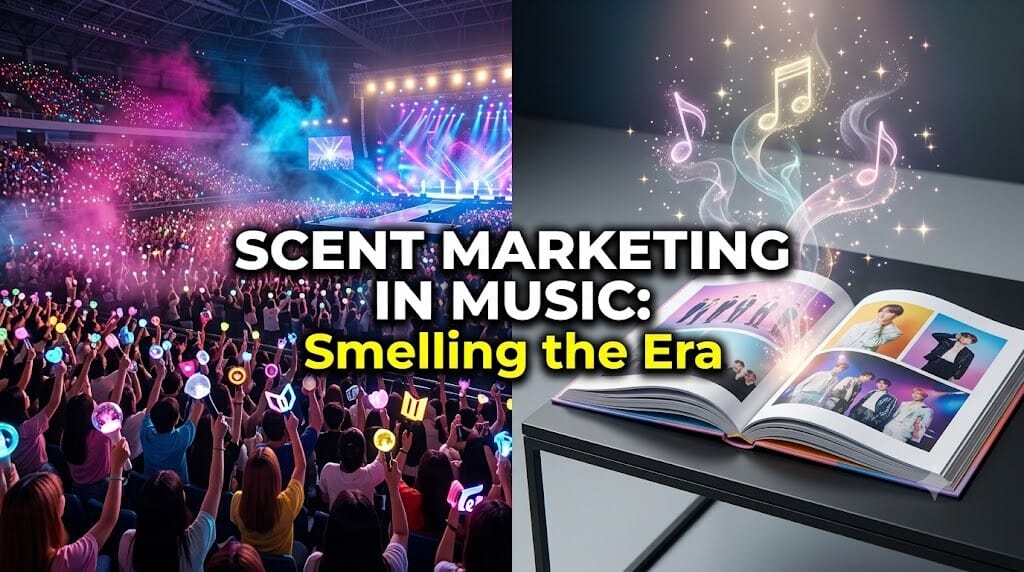
Imagine standing in a massive, sold-out stadium, and right before the artist suddenly appears on stage, a distinct, carefully curated fragrance—perhaps a heavy blend of dark cherry and smoky sandalwood—washes over the roaring crowd, perfectly setting the atmospheric mood for a mature, sultry album concept. Or picture the deeply personal experience of tearing the plastic shrink wrap off a brand-new physical album and being instantly greeted by the crisp, refreshing scent of ocean breeze and sweet citrus, permanently linking that specific olfactory trigger to your very first listen of a summer anthem. Scent marketing is rapidly shifting from a niche retail novelty to a core, foundational strategy in the global music business, aiming to assign a unique, trademarked “smell” to specific musical eras. By purposefully embedding signature fragrances into live concert venues and physical album packaging, the industry is effectively transforming passive fandom into a holistic, deeply immersive multi-sensory journey, ensuring that artists literally linger in the minds—and noses—of their dedicated fans long after the music finally stops.
The Biological Masterkey: How Scent Unlocks Musical Memory
The Science of the Proustian Phenomenon
To truly understand exactly why scent marketing is poised to become the next massive, unavoidable trend in the music industry, we must first look at the underlying biological science of how the human brain processes sensory information. The intense connection between the sense of smell and human memory is a well-documented psychological phenomenon, often referred to in literature and science as the “Proust phenomenon.” This is named after the famous French writer Marcel Proust, who beautifully described a sudden, overwhelming flood of childhood memories triggered simply by the scent of a madeleine cake dipped in warm tea. Smell has an unmatched ability to time-travel the human mind.
Bypassing Rational Thought for Instant Connection
Unlike our other primary senses, such as sight and hearing, which are logically routed through the thalamus before reaching the brain’s higher processing centers, our olfactory system operates on a completely different highway. It has a direct, unfiltered, and immediate pathway straight to the limbic system. The limbic system, which importantly includes the amygdala and the hippocampus, is the exact region of the brain responsible for processing intense, raw emotions and storing long-term episodic memories. Because of this direct biological wiring, smells can trigger vivid, emotionally charged memories much faster and much more intensely than visual or auditory cues ever could. By deliberately introducing a curated, era-specific scent, entertainment companies can permanently anchor a musical project in the fan’s subconscious mind.
Revolutionizing the Live Concert Experience
Dispersing Eras Through Venue HVAC Systems
Live concerts have always been the ultimate pinnacle of the fan experience, but historically, they have certainly not been known for smelling particularly pleasant. The combination of thousands of sweating bodies, spilled alcoholic beverages, and sulfurous pyrotechnic smoke often creates a rather chaotic olfactory environment. However, the modern, high-tech implementation of scent marketing is completely flipping this narrative. Advanced, commercial-grade scent diffusers can now be integrated directly into a stadium’s HVAC (heating, ventilation, and air conditioning) systems. These machines disperse micro-fine, hypoallergenic fragrance particles evenly and safely throughout a massive arena.
The Psychology of Collective Olfactory Bubbles
Instead of merely masking bad stadium odors, these customized atmospheric fragrances are strategically designed to act as an invisible, floating extension of the stage design itself. If a group is touring with a dark, rebellious, rock-inspired concept, the arena air might be pumped with the heavy scent of worn leather, black pepper, and cedarwood. This shared sensory experience creates a unique, invisible bond among the attendees. Emotional contagion—the phenomenon where people subconsciously mimic and share the heightened emotions of those around them—is heavily amplified by sensory input. They are not just watching a concert; they are breathing inside a carefully curated sensory bubble together.
Scented Album Packaging: Redefining the Unboxing Journey
The Unboxing Experience Upgraded
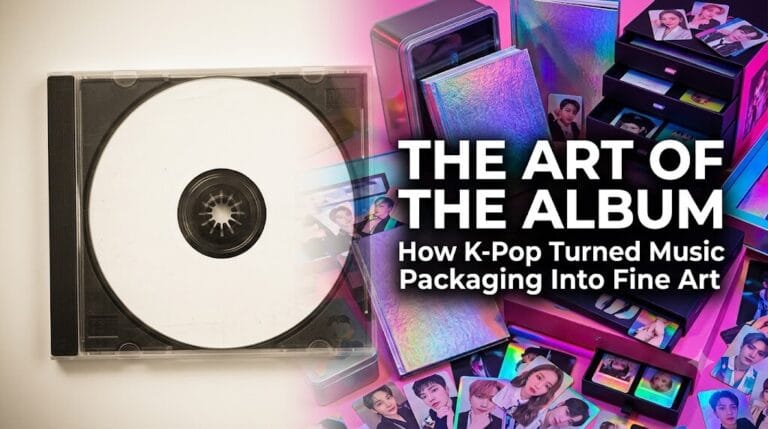
In the modern digital streaming era, where nearly all music is easily accessible for free on various platforms, physical album sales have surprisingly skyrocketed, largely driven by the K-pop industry’s relentless, innovative packaging strategies. Physical albums are no longer just cheap plastic jewel cases holding a standard CD; they are elaborate, highly collectible art pieces containing thick, glossy photobooks, randomized photocards, folded posters, and intricate conceptual designs. To push this extreme collectibility even further, visionary companies are now actively exploring the integration of physical scent into the unboxing journey.
Creating a Permanent Aural-Olfactory Link at Home
This ambitious goal is achieved through various modern manufacturing techniques, such as scented printing inks, microencapsulated fragrance strips hidden deep within the photobook pages, or heavily perfumed outer packaging materials. When a dedicated fan finally breaks the tight seal of the album, the trapped fragrance is suddenly released, turning the simple act of opening cardboard into a deeply intimate, multi-sensory event. For example, an album exploring themes of heartbreak and painful solitude might feature pages infused with the melancholic, earthy scent of petrichor and wilted roses. The scent serves as a dramatic prologue, setting the emotional tone before the CD is ever played.
Merchandising and the Business of Bottled Eras
Extending the Concert Experience into the Home
Beyond the immediate aesthetic enhancement of a concert or an album, scent marketing opens up incredibly massive, highly lucrative merchandising opportunities for artists. Agencies can easily sell the “official scent of the tour” in the form of luxury perfumes, room sprays, or scented soy candles at the concert merchandise booths. This brilliant strategy allows fans to literally take the exact sensory atmosphere of the live show back to their own bedrooms. It effectively extends the lifespan and the emotional high of the concert experience indefinitely, creating a permanent piece of merchandise that evokes a physical reaction.
Navigating Logistical and Health Challenges
Despite the immense, undeniable potential, the widespread adoption of scent marketing in music does face certain logistical and practical hurdles that must be addressed. The most prominent concern is the highly subjective nature of smell; a fragrance that one fan finds deeply comforting might be overpowering or even unpleasant to another. Furthermore, there are genuine, serious health considerations regarding allergies, asthma, and chemical sensitivities when pumping artificial fragrances into enclosed, densely packed public arenas. To navigate these hurdles, companies must rely heavily on sophisticated, naturally derived, hypoallergenic scent formulations, ensuring the marketing tactic remains safe and enjoyable for everyone.
Writer’s Opinion
Honestly, when I sit down and really think about this whole scent marketing thing… isn’t it kind of wild how our brains are literally hardwired to remember a random smell forever? Like, you can catch a tiny whiff of some obscure vanilla perfume on the bus, and suddenly you are violently transported right back to your high school hallway, right?! It makes me genuinely wonder why massive entertainment agencies took this long to figure out they could weaponize this! I mean, if my absolute favorite group dropped a physical album that literally smelled like a moody, rainy pine forest to perfectly match their dark comeback concept… I would probably empty my wallet and buy ten copies without even blinking. Are we really going to see Twitter fan wars in a few years debating which “Era” actually smelled the best? “Oh, their 2025 summer concept smelled way better than their 2026 winter concept, no debate!” It feels a little bit dystopian, maybe a bit too calculated, but honestly? It is also incredibly genius. I guess we are all just emotional creatures completely at the mercy of our senses at the end of the day, huh?