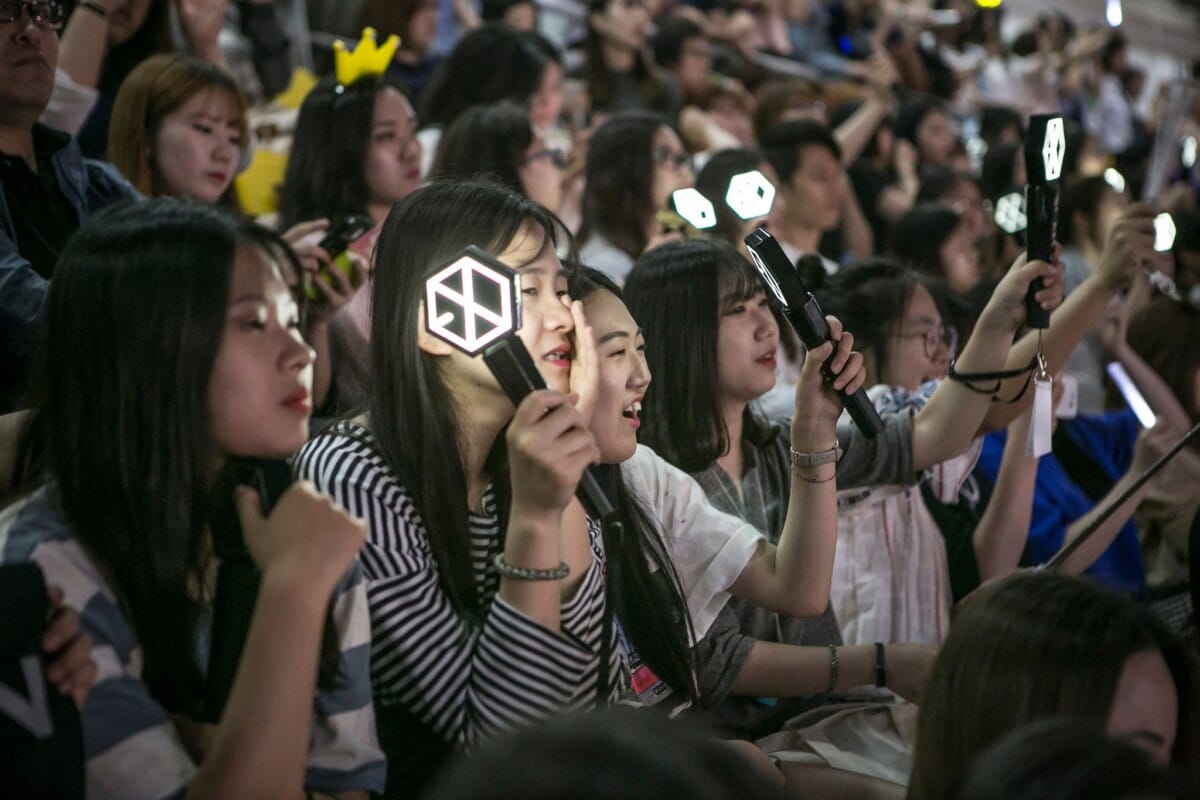
Over the past decade, K-pop has undeniably evolved from a localized music genre into a massive global phenomenon. Groups like BTS, Blackpink, Stray Kids, and NewJeans have broken language barriers, topping international charts and filling stadiums across the globe. This explosive globalization means that K-pop is no longer consumed solely by Korean audiences; it is now loved by a diverse, multi-cultural, and multi-ethnic fanbase. As the music reaches every corner of the world, it brings people together, creating a beautiful global community united by catchy melodies, synchronized choreography, and stunning visual concepts.
However, this rapid expansion onto the global stage has also brought significant growing pains, most notably the recurring controversies surrounding “Cultural Appropriation” (CA). As K-pop agencies continuously search for fresh, striking visual concepts and unique sounds to stand out in a highly competitive market, they often draw inspiration from various cultures around the world. Unfortunately, when this inspiration is taken without proper understanding, historical context, or respect for the culture of origin, it leads to fierce backlash. Global fans are increasingly holding companies accountable, forcing the K-pop industry to reflect, adapt, and learn how to navigate the complex intersection of global entertainment and cultural sensitivity.
Understanding Cultural Appropriation in K-pop
To understand why this is such a hot topic in the K-pop community, we first need to look at what the term actually means and why it frequently occurs within this specific industry.
What Exactly is Cultural Appropriation?
Cultural appropriation happens when members of a dominant or outside culture adopt elements of a minority or marginalized culture without permission, respect, or understanding of its original meaning. Unlike cultural exchange—where there is a mutual sharing and respect—appropriation often reduces deeply meaningful traditions, religious symbols, or culturally significant hairstyles into mere fashion statements or aesthetic props. When a culture’s sacred or traditional items are worn as trendy costumes by those who do not face the discrimination associated with them, it causes frustration and pain for the people of that culture.
Why Does This Happen in K-pop?
The K-pop industry is incredibly fast-paced. Companies have to produce multiple “comebacks” (new album releases) a year, each requiring a brand-new visual concept, music video, and wardrobe. In the rush to be visually striking and cutting-edge, stylists and producers often look to global trends. Historically, Korea has been a very homogenous society, meaning that until recently, many creative directors and idols lacked exposure to the complex racial and cultural histories of other nations. They often adopt foreign elements simply because they look “cool” or “hip-hop,” completely unaware of the historical weight or cultural significance attached to them.
Common Types of Cultural Controversies
Over the years, the global K-pop fandom has witnessed several recurring themes when it comes to cultural appropriation. These controversies usually fall into a few specific categories.
Hair and Fashion Choices
One of the most frequent issues involves hairstyles. Black culture has a rich history tied to protective hairstyles like dreadlocks, braids, and cornrows, which have historically been subjects of discrimination. When K-pop idols wear these hairstyles in music videos or promotional photos to look “tough” or fit a hip-hop concept, it sparks intense backlash from Black fans who feel their culture is being used as a disposable costume. Similarly, the use of Native American headdresses, South Asian bindis, or traditional Middle Eastern garments as mere fashion accessories has repeatedly drawn criticism.
Religious and Sacred Symbols
Another major pain point is the misuse of religious imagery and sounds. There have been instances where K-pop music videos featured sacred architecture from South Asian cultures as background sets, or used Islamic prayer calls and Hindu sacred chants as background samples in pop songs. For the people who practice these religions, these elements are deeply holy and treating them as aesthetic or musical gimmicks is considered highly disrespectful and offensive.
The Impact on Global K-pop Fans
The globalization of K-pop relies heavily on the passion and dedication of its fans. When cultural appropriation occurs, the emotional impact on the fandom is significant.
Feeling Alienated and Hurt
For international fans, discovering K-pop is often a joyous experience. However, when they see their own culture mocked, stereotyped, or appropriated by their favorite idols, that joy quickly turns to disappointment. Fans who spend their time and money supporting these artists suddenly feel alienated, realizing that while their money is welcome, their culture is not respected. It creates a painful dilemma where fans must choose between abandoning a group they love or tolerating disrespect toward their heritage.
The Power of Social Media Call-Outs
Today’s fans are not silent. Thanks to platforms like X (formerly Twitter), TikTok, and Instagram, global fans can organize quickly. When a teaser or music video drops featuring offensive elements, fans immediately trend hashtags, send mass emails to the agency, and educate other fans on why the imagery is harmful. This collective action has made it impossible for K-pop companies to ignore the voices of their international audience.
How the Industry is Responding
As the global market becomes the primary source of revenue for many K-pop companies, ignoring these controversies is no longer an option. The industry is slowly but surely changing its approach.
Quick Apologies and Edits
In the past, companies would often stay silent and wait for controversies to blow over. Now, the standard response involves issuing a formal apology in multiple languages (English, Spanish, etc.) almost immediately. Furthermore, companies have started taking down music videos to edit out offensive scenes or replacing album covers, re-uploading the corrected versions shortly after. While some see this as damage control, it shows that companies are paying attention to global feedback.
Hiring Cultural Advisors
To prevent these issues from happening in the first place, some of the larger entertainment agencies have begun consulting with cultural advisors and international staff. By having diverse voices in the room during the planning stages of a concept, companies can catch potential red flags before millions of dollars are spent on a music video shoot.
Strategies for a Better Future
For K-pop to sustain its global dominance, it must move beyond reactive apologies and implement proactive strategies for cultural inclusivity.
From Appropriation to Appreciation
The goal is not to stop K-pop from being inspired by the world, but to shift from appropriation to genuine appreciation. This means doing the research. If an agency wants to use elements of Latin music, Afrobeat, or traditional Indian fashion, they should collaborate with artists, producers, and designers from those cultures. Paying homage through collaboration ensures that the culture is respected and that the original creators are credited and compensated.
Global Education for Trainees
The most effective long-term strategy is education. Just as K-pop trainees take lessons in vocal training, dancing, and foreign languages, they should also receive cultural sensitivity training. Understanding global history, racial dynamics, and cultural etiquette will empower idols to be true global ambassadors who can connect with fans worldwide without inadvertently causing harm.
Writer’s Opinion
As someone who loves the way K-pop bridges gaps between different countries, I believe these growing pains are a necessary step for the industry’s evolution. Mistakes will happen, especially when a single-culture industry suddenly meets the entire world. However, the willingness to listen, apologize, and learn is what will determine K-pop’s longevity. When agencies stop viewing foreign cultures as aesthetic props and start treating them as respected partners in art, K-pop will reach an even higher level of global harmony and success.