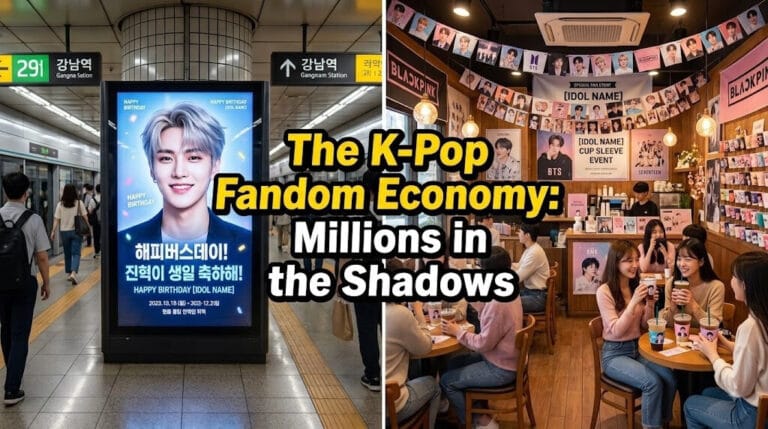
When the worlds of K-pop and blockchain first collided, industry executives thought they had discovered an infinite gold mine. The logic seemed foolproof on paper: K-pop fans are fiercely loyal, digitally native, and already accustomed to spending significant amounts of money on exclusive merchandise like photocards, albums, and concert tickets. Introducing Non-Fungible Tokens (NFTs) as the ultimate, verifiable digital collectible appeared to be the natural next step in monetizing the fandom experience. Major entertainment companies quickly partnered with crypto exchanges, promising a new era of “Web3 fandom” where fans could own a unique piece of their favorite idols’ legacy.
However, what followed was one of the most spectacular miscalculations in recent entertainment history. Instead of embracing this digital revolution, K-pop fandoms organized massive boycotts, trended global hashtags demanding agencies drop their crypto partnerships, and outright rejected the concept of digital ownership being forced upon them. The failure of K-pop NFTs wasn’t just a matter of poor timing or a bear market in crypto; it was a fundamental misunderstanding of what drives fan culture. Agencies treated fandoms as mere consumers to be squeezed for liquidity, failing to realize that the value of K-pop merchandise lies in its emotional resonance, physical tangibility, and the communal experience, rather than speculative financial gain.
The Initial Hype: Why K-Pop Agencies Rushed into Web3
To understand why the K-pop NFT bubble burst so violently, we first have to look at why it inflated so quickly in the first place. During the crypto bull run of 2021, the digital asset market was exploding, and entertainment companies worldwide were looking for ways to capitalize on the trend.
The Promise of Digital Scarcity and Infinite Revenue
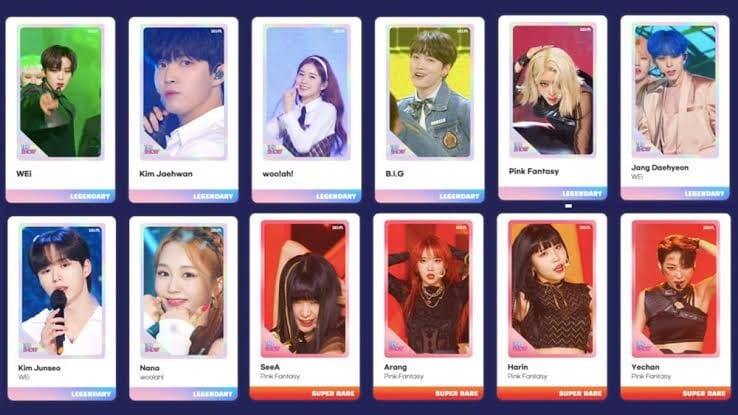
For K-pop agencies, the traditional merchandising model—manufacturing physical albums, printing photocards, and shipping them globally—is fraught with logistical bottlenecks and high overhead costs. NFTs offered a tantalizing alternative: zero manufacturing costs, instant global distribution, and, most importantly, programmed royalties on secondary sales. Every time a fan traded an idol’s digital photocard, the agency would take a cut. It was envisioned as a perpetual revenue machine powered by the fans’ intrinsic desire to collect everything associated with their favorite groups.
A Top-Down Business Strategy
The push toward blockchain was entirely top-down. Entertainment conglomerates formed joint ventures with major tech firms and crypto platforms without consulting the communities they intended to sell to. Press releases touted synergies and metaverses, using heavy corporate jargon that felt completely alien to the emotional, passionate language of K-pop fandoms. The agencies assumed that if they slapped an idol’s face on a token, the fans would blindly open their digital wallets. This assumption was the first fatal flaw in their master plan.
The Core Misunderstanding of Fandom Culture
The biggest blind spot for these entertainment executives was their failure to understand the psychology of their own customers. K-pop fans do not collect merchandise as financial assets; they collect them as emotional artifacts.
Community Sharing vs. Exclusive Ownership
Web3 is built on the premise of exclusive, verifiable individual ownership. The value of an NFT comes from being the single owner of that specific digital asset. K-pop fandom culture, on the other hand, is inherently communal. When a fan buys an album and pulls a rare photocard, they take a picture of it and share it on Twitter or Instagram for the whole community to enjoy. The joy comes from the physical touch, the unboxing experience, and the shared excitement with other fans. Attempting to introduce artificial digital scarcity into a community that thrives on sharing content freely felt antithetical to the very spirit of being a fan.
The Speculative Nature of Crypto Disgusted True Fans
Fans quickly recognized that NFTs were essentially speculative assets. The introduction of Web3 elements threatened to turn the fandom into a stock market. Fans want to support their artists, stream their music, and celebrate their achievements. They do not want to worry about the fluctuating floor price of their digital merchandise or compete with crypto-bros who only care about flipping tokens for a profit. The financialization of the fan-artist relationship felt dirty and transactional, cheapening the emotional bond that agencies spend years cultivating.
The Environmental Backlash from Gen Z and Millennials
Perhaps the most organized and vocal reason for the failure of K-pop NFTs was the environmental concern. The demographics of K-pop fans skew heavily toward Gen Z and Millennials—generations that are acutely aware of and deeply concerned about climate change.
The Hypocrisy of Eco-Friendly Messaging
Many K-pop groups actively campaign for environmental causes. Artists are often ambassadors for climate initiatives, and fans frequently organize massive charity drives, plant forests in their idols’ names, and advocate for sustainable packaging in physical albums. When agencies suddenly announced partnerships with blockchain networks that required immense amounts of energy to mint tokens, the cognitive dissonance was deafening. Fans viewed this as blatant greenwashing and hypocrisy. How could an agency promote an eco-friendly image while simultaneously launching energy-intensive digital products?
Organized Boycotts and Hashtag Activism
The backlash was swift and highly organized. Fandoms are incredibly adept at mobilizing online, usually to win voting polls or stream music videos. This time, they turned that organized power against the agencies. Hashtags like #BoycottKpopNFTs trended worldwide. Fans canceled pre-orders, sent protest trucks to company headquarters, and made it abundantly clear that they would not support any project tied to the blockchain. The agencies, who rely entirely on the goodwill of these fans for their revenue, were caught completely off guard by the sheer ferocity of the resistance.
Utility Failure: What Did These NFTs Actually Do?
Even if we set aside the cultural and environmental objections, the K-pop NFT projects fundamentally failed on a product level. For any new technology to be adopted, it must solve a problem or provide a significantly better experience than what currently exists.
Missing the Point of Physical Merch
A physical photocard can be put in a binder, placed in a phone case, or displayed on a desk. It has a tangible presence. A digital NFT photocard lives in a digital wallet that requires a complex onboarding process to access. It cannot be easily displayed in the real world. The “utility” promised by these NFTs was often vague—perhaps access to a private Discord channel or a minor voting right in a meaningless poll. These perks were nowhere near valuable enough to justify the steep asking prices or the hassle of navigating crypto exchanges.
The High Barrier to Entry
The user experience of Web3 is notoriously clunky. Expecting teenage or young adult fans to set up digital wallets, secure seed phrases, purchase cryptocurrency, and pay fluctuating gas fees just to buy a digital picture of their favorite singer was wildly unrealistic. The friction was too high, and the reward was too low. Agencies failed to provide a seamless, user-friendly onboarding process, ensuring that only the most dedicated crypto-enthusiasts—not the actual music fans—would even bother participating.
Case Studies of Misguided Innovation
Several high-profile attempts to integrate blockchain into K-pop serve as cautionary tales for the industry. While some agencies tried to push forward despite the backlash, the results were overwhelmingly underwhelming. Sales targets were missed, projects were quietly swept under the rug, and the promised “metaverse integrations” never materialized into anything usable or fun.
The platforms created specifically to trade these digital photocards quickly turned into ghost towns once the initial PR push ended. Without the organic, emotional demand from the actual fandom, the speculative value of these tokens plummeted, leaving the few fans who did participate holding worthless digital assets. This only further poisoned the well, cementing the perception that K-pop NFTs were nothing more than a cash grab.
What the Future Holds: Will K-Pop Ever Accept Blockchain?
Given the spectacular failure of the initial wave of K-pop NFTs, it is highly unlikely that we will see a return to the “digital photocard” model anytime soon. The reputational damage to the agencies that pushed these initiatives was significant, and the fan resistance remains as strong as ever.
If blockchain technology is ever to find a place in the K-pop industry, it will have to be entirely invisible to the end user. It cannot be marketed as an NFT or a crypto asset. Instead, the technology might be used in the backend for ticketing to prevent scalping, or to authenticate physical merchandise. The focus must shift from financial speculation back to enhancing the fan experience. Until the industry realizes that you cannot manufacture digital scarcity in a culture built on sharing, the Web3 revolution in K-pop will remain indefinitely on pause.
Writer’s Opinion
Wait, so they really thought fans would just buy a digital JPEG instead of a real, touchable photocard…? It’s honestly kind of baffling when you think about it. I mean, sure, the tech sounds cool in a boardroom, but did anyone actually talk to a teenager holding a Toploader? The whole thing feels like a classic case of suits trying to mathematically formula-ize passion, which—spoiler alert—never works. Fandoms aren’t just wallets waiting to be emptied into a blockchain; they are living, breathing communities. It makes me wonder, will these agencies ever truly understand the culture they profit from, or are they just waiting for the next shiny tech buzzword to try and sell us? Really fascinating how quickly the fans shut it down, isn’t it?